Clinical Trials
Clinical trials are research studies in which real people participate as volunteers. These trials help researchers develop new treatments and medications for diseases and conditions.


We help you manage this disease so you can live longer and breathe easier
A genetic disease called cystic fibrosis (CF) causes thick mucus to build up in various part of the body, including the lungs and pancreas. The mucus blocks your airways, causing lung damage and making you susceptible to bacterial infections.
Cystic fibrosis is most often discovered in infancy, through newborn screening although the diagnosis can be made at any age, including during adulthood.
Individuals with cystic fibrosis show symptoms such as frequent wheezing and coughing, poor growth, greasy stools or diarrhea and frequent lung infections. While tests like chest X-rays, pulmonary function tests and mucus cultures are useful for monitoring the condition, diagnosis is primarily based on sweat chloride testing and genetic analysis to identify mutations in the CFTR gene.
Individuals with cystic fibrosis show symptoms such as frequent wheezing and coughing, poor growth, greasy stools or diarrhea and frequent lung infections. While tests like chest X-rays, pulmonary function tests and mucus cultures are useful for monitoring the condition, diagnosis is primarily based on sweat chloride testing and genetic analysis to identify mutations in the CFTR gene.
Our Pulmonology & Respiratory Care at the IU Health Medical Center in Indianapolis is one of only four accredited cystic fibrosis care centers in the state of Indiana. Our physicians conduct cystic fibrosis studies that will give you access to the latest clinical trials and advanced treatments.
Your pulmonologists will provide high quality, comprehensive care in a multidisciplinary clinic to address the many facets of cystic fibrosis and assist you in managing symptoms so you can lead an active lifestyle.
Scientists have not yet discovered a cure for cystic fibrosis, but treatments continue to improve steadily. Managing cystic fibrosis requires a comprehensive treatment plan. Physical therapy, medication to reduce mucus, antibiotics and anti-inflammatory medications can all assist in reducing your symptoms. In addition to seeing a pulmonologist, you may also need to see a gastroenterologist to manage digestive issues or an endocrinologist to monitor for complications such as cystic fibrosis-related diabetes.
IU Health physicians will give you access to many treatments unavailable anywhere else in the state, including:
Our Pulmonology & Respiratory Care at the IU Health Medical Center in Indianapolis is one of only four accredited cystic fibrosis care centers in the state of Indiana. Our physicians conduct cystic fibrosis studies that will give you access to the latest clinical trials and advanced treatments.
Your pulmonologists will provide high quality, comprehensive care in a multidisciplinary clinic to address the many facets of cystic fibrosis and assist you in managing symptoms so you can lead an active lifestyle.
Scientists have not yet discovered a cure for cystic fibrosis, but treatments continue to improve steadily. Managing cystic fibrosis requires a comprehensive treatment plan. Physical therapy, medication to reduce mucus, antibiotics and anti-inflammatory medications can all assist in reducing your symptoms. In addition to seeing a pulmonologist, you may also need to see a gastroenterologist to manage digestive issues or an endocrinologist to monitor for complications such as cystic fibrosis-related diabetes.
IU Health physicians will give you access to many treatments unavailable anywhere else in the state, including:
Treatments for cystic fibrosis evolve constantly to improve your quality of life and life expectancy. Stay up-to-date on cystic fibrosis through the following websites:
Treatments for cystic fibrosis evolve constantly to improve your quality of life and life expectancy. Stay up-to-date on cystic fibrosis through the following websites:
Sep 12
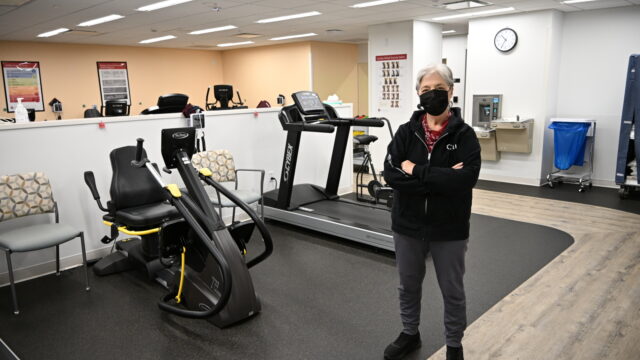
IU Health Bloomington Pulmonary Rehabilitation helps patients like lung transplant recipients Chris Marks and Steve Morgan breathe easier.
Sep 12
IU Health Bloomington Pulmonary Rehabilitation helps patients like lung transplant recipients Chris Marks and Steve Morgan breathe easier.
Your opinion about this website is important to us. Would you be willing to answer a few questions to help us evaluate and improve our website?