June 22, 2026
How IU Health is addressing maternal and fetal health in Indiana
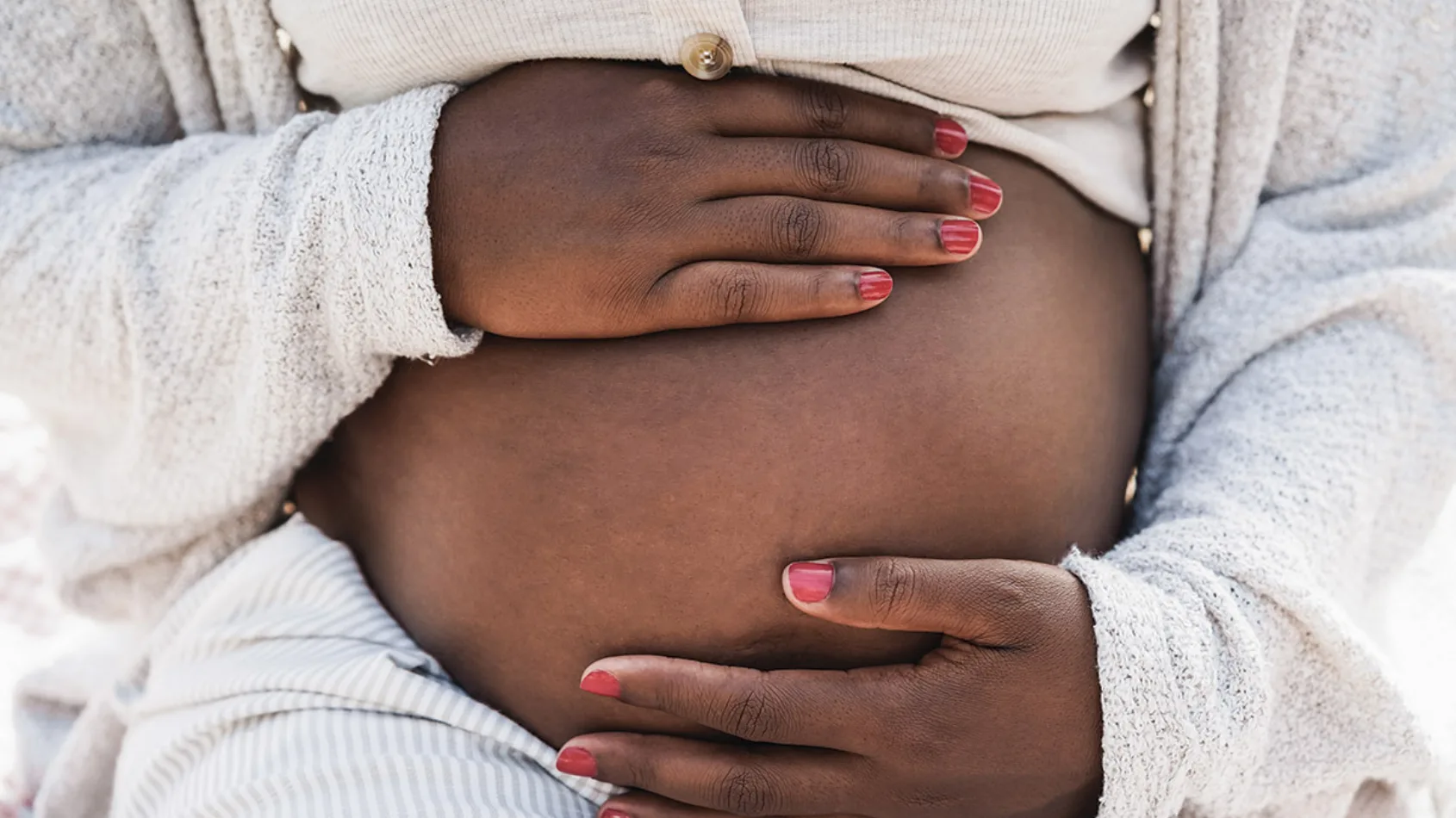
Many factors lead to a successful pregnancy and the birth of a child. Regular medical care and managing chronic health conditions like diabetes can improve the chances of having a healthy pregnancy and childbirth. When women and babies do not survive pregnancy or the first year of a child’s life, this is measured in something called a maternal or fetal mortality rate.
What is maternal and infant mortality?
Maternal mortality describes when a pregnant person dies during or shortly after pregnancy and birth. Infant mortality describes when a baby dies before their first birthday. In Indiana, the statistics for maternal and infant mortality are concerning.
- In 2025, the maternal and fetal health organization March of Dimes ranked Indiana 34th in the nation for a preterm birth rate of 10.8%. With one in nine babies born preterm in 2024, Indiana earned a “D” on the March of Dimes Report Card.
- The Marion County Health Department’s Community Health Assessment found infant and maternal mortality in the state’s most populated county to be significant public health concerns. Marion County has worse rates than both Indiana and the United States.
- There are significantly worse rates for Black women and babies at the state and county levels. Black infants are nearly twice as likely to die before age one, and Black mothers experience higher rates of preterm birth and complications.
While healthcare providers will do everything they can to respond to emergencies during and after birth, many of the contributors to maternal and fetal mortality begin well before birth.
“A lot of what we need to do to address these disparities happens before our patients even get to the doctor’s office,” said Dr. Jasmine Johnson, MD, a maternal-fetal medicine specialist at Riley Children’s Health. “Making sure conditions like diabetes and high blood pressure are under control before pregnancy, social determinants of health– such as having transportation, secure housing and food—are also important. We can talk about these needs at doctor appointments, but we need systems outside of the hospital to prioritize these supports so everyone can come into the doctor’s visit at their best. Medically, we’re doing everything we can, but we need to partner with the community and policy makers, too.”
Causes of maternal and infant mortality
There are many factors that lead to maternal and infant mortality, including having little or no access to prenatal care. In Indiana, some counties are considered “obstetric care deserts” because there are no providers offering obstetric care in those areas.
People in Indiana are more likely to have preterm birth or other poor birth outcomes if they:
- Smoke
- Have high blood pressure (hypertension) or diabetes, especially if these conditions are not well managed
- Have an unhealthy weight
- Live in a rural area with limited access to prenatal care
- Have gaps in insurance coverage
- Experience several negative social determinants of health (SDOH), such as housing instability, food insecurity or no access to healthcare
Black women have worse health outcomes on average than white women. This is caused by a variety of reasons, including experiencing racial bias from healthcare providers.
“Black women have a higher preterm birth rate compared to other mothers,” Dr. Johnson said. “There are a lot of things that go into that, but what we want the community to know is that it’s not because Black women are broken, it’s because the system is broken.”
How IU Health is working to improve maternal and fetal outcomes
More than 80% of maternal deaths are preventable, according to the CDC. There are several ways IU Health is working with local agencies to support new parents and children to help them survive birth and the first year of life.
WeCare Coaches
From the moment someone finds out they’re pregnant all the way through their baby’s first birthday, IU Health’s WeCare program offers pregnancy and newborn support. Offered at a dozen locations across Indiana, this program provides free, in-person visits with a WeCare coach to support the pregnant person and the baby. Not only does this program include a wide range of free resources, like access to diapers and baby food, but it also extends support to the baby’s parents and caregivers, as well as people with chronic illnesses who want to become pregnant.
Your WeCare coach will:
- Schedule private and confidential meetings in a public space or at your home or doctor’s office.
- Create a personalized plan to meet your needs.
- Offer access to resources like food, formula or breast milk, diapers, pack-and-plays, clothing, car seats, support for depression and anxiety, etc.
“WeCare is separate from prenatal care at a doctor’s office. You have someone who can meet you where you are and address your individualized needs, whether it’s education about what to expect from prenatal care or addressing some of those social needs like transportation and food insecurity,” Dr. Johnson said. “All those wraparound services are relevant to the patient, but we may not have time to address them in our short prenatal checkups. This is an awesome resource that helps address some of these structural factors that impact health.”
Consolidated support through Cradle Indy
To assist pregnant people in Marion County, IU Health supports Cradle Indy, an organization that unifies nonprofit, government and neighborhood entities to coordinate resources for expectant families. Cradle Indy helps expectant parents find doula support, navigate available resources and get help after baby arrives.
“We know there’s science linking doula support during labor with a lower risk of having a C-section,” said Dr. Johnson, who serves as Cradle Indy’s OB medical director. “A doula is also a way to have an advocate in healthcare, especially for Black women experiencing disparities in care and not feeling listened to.”
Perinatal outreach education
IU Health also trains providers at other hospitals to treat high-risk pregnancies. Riley Hospital for Children has a designated Perinatal Center with educators who train care providers throughout the state to improve outcomes for pregnant people and newborns. The center also helps other hospitals transfer neonatal or obstetric patients to an IU Health hospital when additional care is needed.
The Perinatal Center:
- Provides simulation-based training and virtual education webinars to care providers at partner hospitals across the state.
- Shares best practices with affiliate hospitals and offers an annual review of their quality metrics to help them maintain high standards.
- Helps to transfer patients from any local, regional, national or international site for emergency care.
- Offers support services to affiliate hospitals, such as 24/7 consultations with Riley neonatal and maternal-fetal medicine doctors and access to our Newborn Follow-Up/Early Years Program.
Improving the maternal and fetal mortality rates in Indiana and Marion County requires a joint effort between healthcare providers, community resources and the public.
“We are not making the headway we should be making by now. Every time they refresh these statistics, we are not where we should be, and the disparities persist,” Dr. Johnson said. “We need to make sure that everyone is engaged. We’re not just leaving it to a few community-based organizations or a few doctors who are passionate about it. The call to action is for anyone who feels invested in improving maternal-child health to work together toward a solution, because healthy pregnancies and babies lead to healthier communities for us all.”