March 27, 2026
Bloomington doctors share why they became physicians
IU Health Bloomington Hospital
The path to becoming a doctor is unique for each person, as is the spark that ignited their interest in the field in the first place. In recognition of Doctors' Day on March 30, check out the stories below from two Bloomington doctors about what made them want to become physicians.
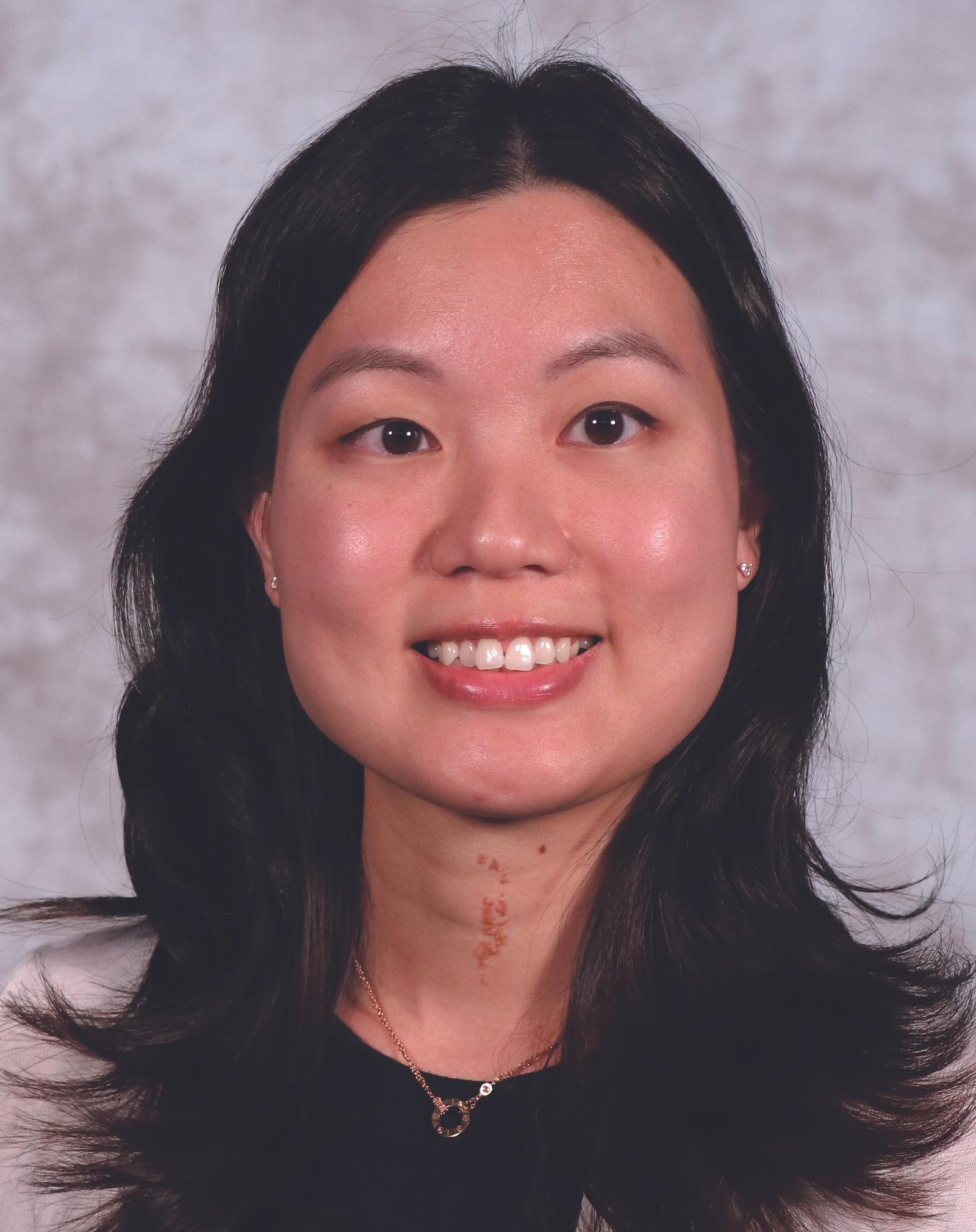
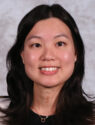
Riowena Seah, MD
Family Medicine
Landmark Ave., Bloomington
“My favorite classes in high school were science-related, and I fell in love with chemistry specifically. As a child, I would collect books about how to do science experiments at home.”
When selecting her college major, she immediately thought of chemistry with a potential goal of becoming a PhD. After a semester or two, she realized traditional lab work wasn’t for her.
During this time, she came across Einstein Explorers, a service group that volunteered in pediatric inpatient units.
“We brought fun, simple science experiments to children to help distract them from long days on the wards. Nothing was more rewarding than seeing those smiles and hearing those bursts of laughter in between medication administrations and the rounds from the nursing staff.”
This is where Seah was inspired to become a doctor as she witnessed medical diagnoses, how hospital teams functioned, and how various aspects of a patient’s life intersect with the care they receive. She also became more confident and open while learning how to be a better communicator and listener.
“I hold these individuals in deep gratitude for helping me to grow out of my introverted turtle shell, and for sparking a new passion in my heart—one that would combine my love for community service with my science nerd half.”
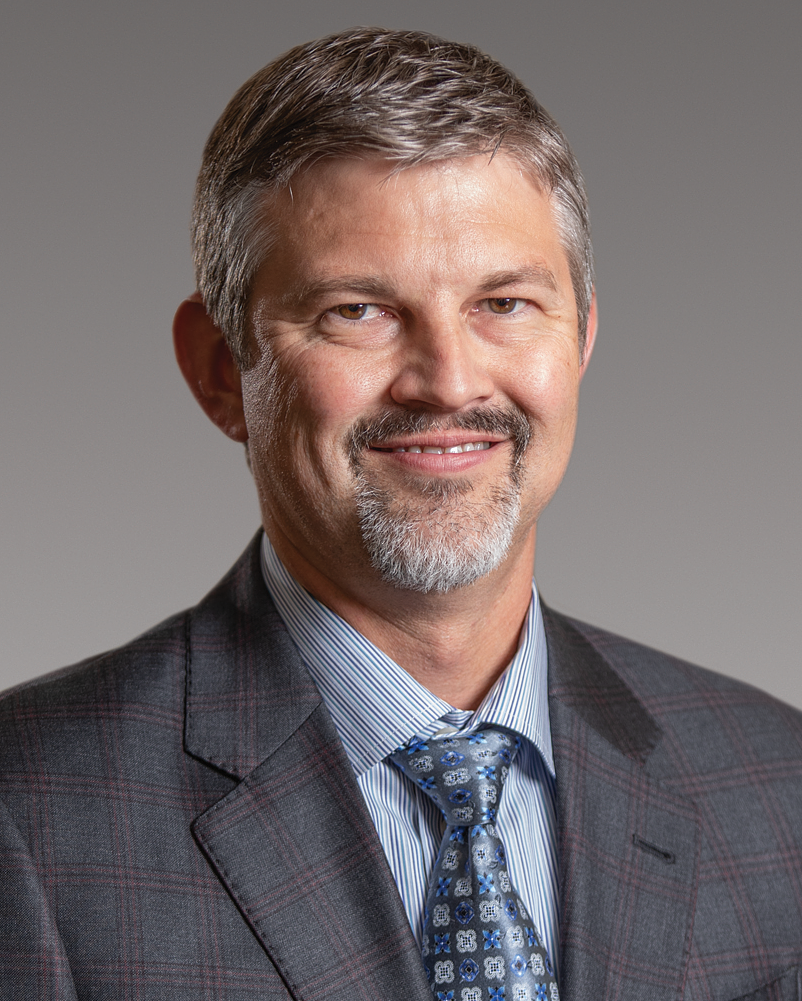
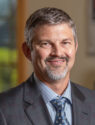
Otto Wickstrom III, MD
Hand Surgery and Orthopedic Surgery
Creeks Edge Dr., Bloomington
Wickstrom spent a lot of time in his father’s medical office over the summer when he was 5 or 6 years old.
“My mom and he both worked, so in retrospect I guess it was to avoid having a sitter.”
His father was an independent orthopedic surgeon who, at one point, took call in two hospitals in separate cities and often scrubbed in on complex cases with surgeons from other practices.
Wickstrom tagged along on hospital rounds and even helped apply casts in the office after his father demonstrated on a patient. Several patients complimented his efforts, which required the help of a step stool.
“This really is one of my fondest memories of time spent with my dad when I was young. This is a big part of why I chose to be a physician, and why I chose to go into orthopedics.”
Forty years later, Wickstrom teaches casting classes using many basic principles learned from his father. And when hard decisions need to be made, he can still hear his father’s voice ringing in his head.
“I am very thankful for the time I got to spend with my dad as a mentor…I don’t have the luxury of calling him to talk through things anymore, but he is helping guide me even after he’s gone.”