April 29, 2026
Bloomington pediatrician shares need-to-knows about childhood immunizations
IU Health Bloomington Hospital
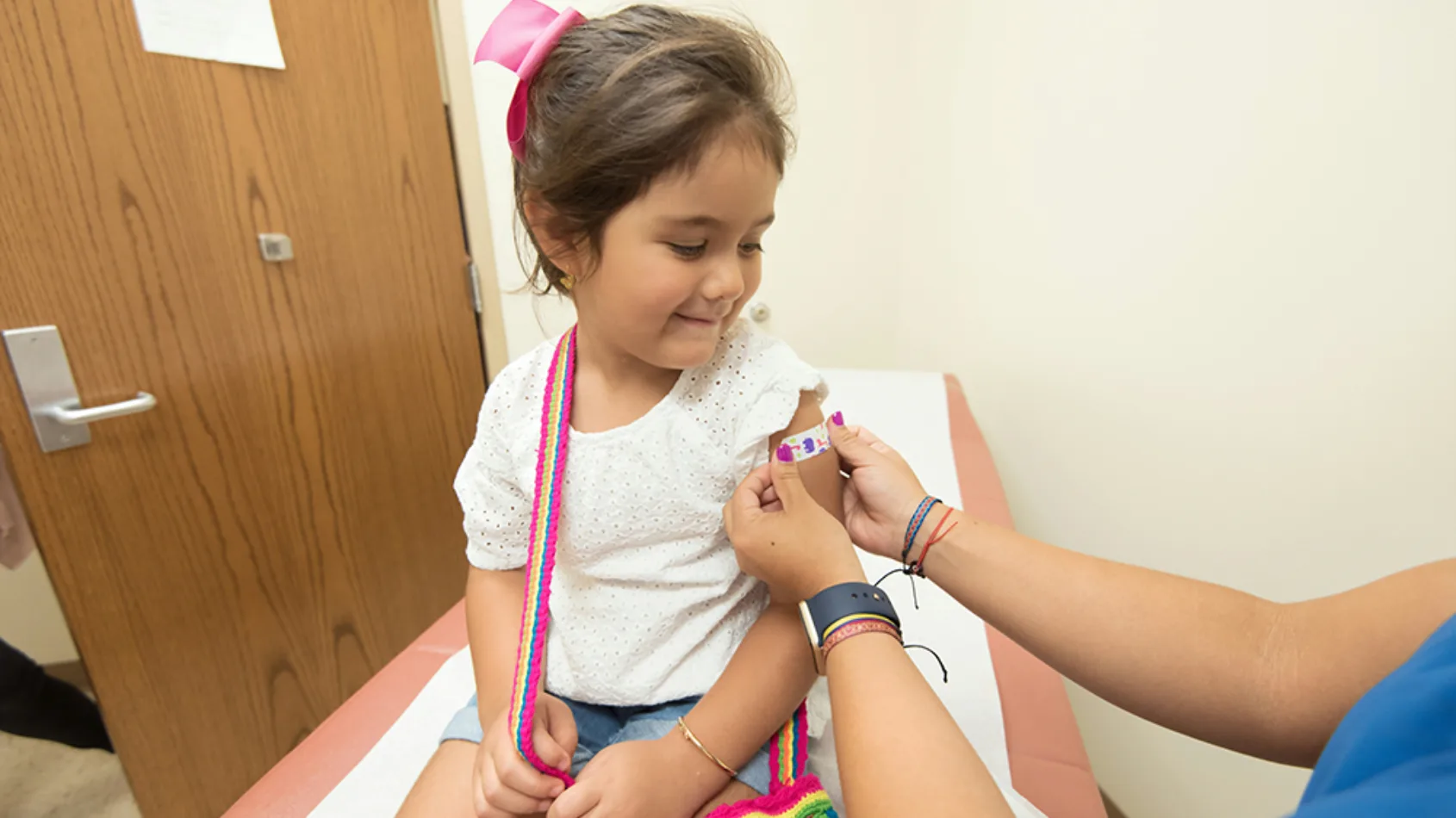

“There has never been a more confusing time to be a parent,” says pediatrician Justin Fuller, MD, acknowledging the difficult decisions families face as they work to keep their children safe and healthy.
According to the American Academy of Pediatrics, vaccines are one of the safest and most effective ways to prevent the spread of infectious diseases amongst children.
Why pediatricians strongly recommend childhood vaccines
Daily pediatric work centers on supporting a child’s overall health and wellbeing, which is why much of pediatric care emphasizes prevention. Vaccinations are one of the most powerful tools in helping protect children from serious illnesses before they occur and promoting long‑term health.
“An ounce of prevention is worth a pound of cure,” says Fuller.
He notes vaccines are one of the most thoroughly researched medicinal interventions, proving they are safe, effective and capable of protecting children from diseases that have previously caused significant harm and can still do so.
The science behind childhood immunizations
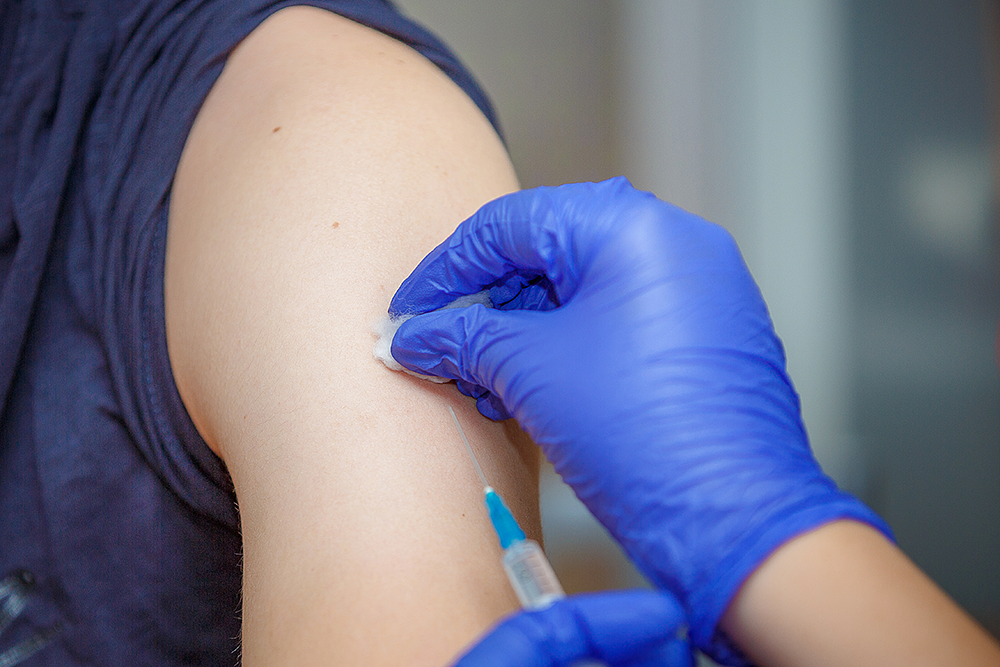
Vaccines work by introducing a small, harmless piece of a virus or bacteria—called an antigen—into a child’s immune system. This controlled exposure prompts the immune system to recognize the antigen and build a protective response without causing the child to become sick.
“In response, the body produces antibodies and memory immune cells. When the child’s immune system encounters the actual pathogen [virus or bacteria] it already has defense mechanisms created and can better respond to protect the child from severe illness.”
Fuller adds some side effects like low-grade fever, chills, fussiness, reduced appetite and irritation at the injection site can occur but typically go away within a few days. Most reactions are mild, especially in comparison to the harm seen from the diseases these vaccines target.
Health impacts of delayed or missed immunizations
Despite medical advancements, vaccine-preventable illness cases have risen.
“Nationwide, there has been a surge in measles cases over the last 2 years, which is entirely vaccine preventable,” shares Fuller. “An unvaccinated child who gets measles has a 20% chance of being hospitalized from their infection and can develop serious complications.”
Pertussis, commonly known as “whooping cough,” is also present in communities and can be harmful to children.
“This illness can be deadly for infants in particular and can cause a ‘100-day cough’ for older children and adults,” says Fuller. “Additionally, we still see quite a bit of illness caused by pneumococcal bacteria (pneumonia, otitis media, etc).”
Some strains of pneumococcal bacteria, pertussis and measles are a few of the more than 30 vaccine-preventable illnesses tracked by the World Health Organization.
Overcoming vaccine hesitancy
“Unfortunately, there is a lot of misinformation out there about vaccines, so I try to direct parents to evidence-based information and answer specific concerns they may have,” says Fuller.
Parents want the best for their children and staying up to date on routine immunizations is one of the most effective ways to protect their health. If you have questions about childhood vaccines, please contact your child’s pediatrician.