August 10, 2026
It’s more than a bite: A West Nile virus Q&A
IU Health Bloomington Hospital
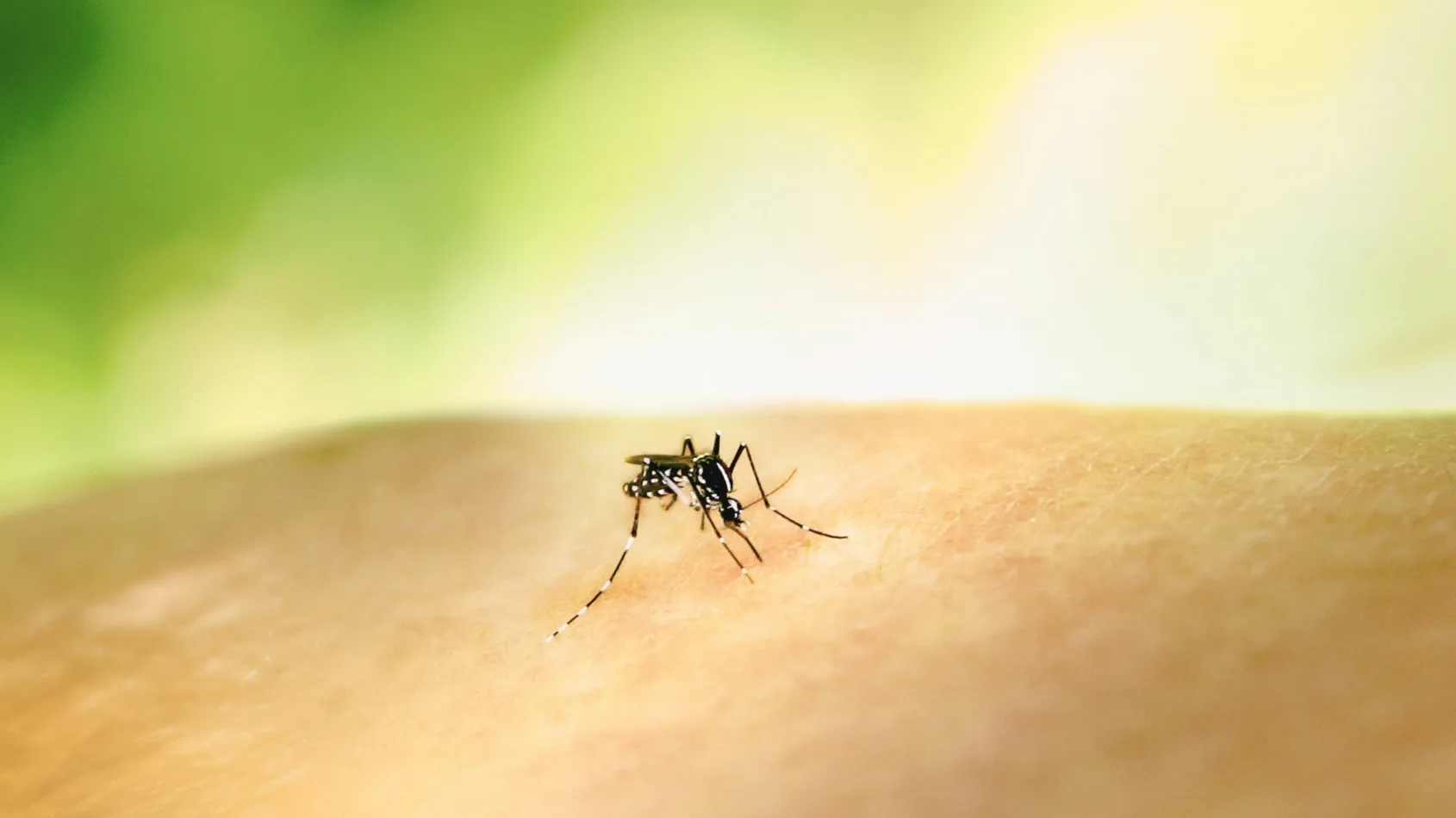
Summer is in full force in Indiana, and so is mosquito season.
IU Health Bloomington Infectious Disease specialist Tom Hrisomalos, MD, shares helpful tips below about West Nile virus (WNV).
What is WNV?
WNV is transmitted through the bite of infected mosquitos. It is the most commonly reported mosquito-borne disease in the United States, and should be considered a potentially serious health concern. Not all mosquitos carry WNV, but I encourage everyone to take preventive measures to avoid getting bitten.
Where has WNV been located in Indiana this year?
As of Monday, Aug. 10, the Indiana Department of Health has identified the virus in mosquito testing in 15 counties, but no human cases have been added to this year’s Mosquito-Borne Illness Dashboard as of Monday, Aug. 10.
When is WNV most likely?
It’s typically seen during the summer months and into the fall when mosquitos are most prevalent.
What are the symptoms?
Most people don’t develop symptoms, but minor and severe reactions can occur. Minor symptoms, which typically occur 2 – 14 days after a bite, include:
- Headache
- Body aches
- Joint pains
- Vomiting
- Diarrhea
- Rash
It can take a few days to a week to recover, but individuals can have persistent fatigue and weakness after this time frame.
Severe illness affects less than 1% of individuals with WNV and can cause inflammation in the brain, spinal cord or other parts of the nervous system. It can result in permanent complications, including paralysis and death.
Who is most at risk of severe complications?
People older than 60, those who have compromised immune systems and individuals with certain medical conditions (including cancer, diabetes, hypertension and kidney disease) are at greater risk of severe illness.
How can you reduce your risk?
Avoid mosquito bites. Tips include:
- Wear EPA-registered insect repellent when outside
- Treat your outdoor clothes and gear with .5% permethrin
- Limit your time outdoors from dusk to dawn
- Cover up exposed skin with long sleeves, pants, hats, socks and shoes when outdoors
- Reduce mosquito-breeding grounds around your house by focusing on standing water
- Toss out standing water once a week in outdoor items including birdbaths, tires and flowerpots
- Tightly cover water storage containers
- Use screens on windows and doors if they are open, and repair any holes in the screens
Studies show that citronella candles aren’t very effect at keeping mosquitoes away, so they shouldn’t be relied upon for reducing your risk.
What are the treatments?
There isn’t a specific medication that treats WNV illness, but mild cases typically get better in a few days or weeks.
Hospitalization, supportive care and/or rehabilitation services may be needed for those with severe illness.
What should you do if you think you have WNV?
Reach out to your primary care provider if you think you may have WNV. They can provide a diagnosis based on signs and symptoms, and specific lab testing.
Resources:
- https://www.in.gov/health/idepd/zoonotic-and-vectorborne-epidemiology-entomology/zoonotic-diseases/west-nile-virus#Transmission
- https://www.cdc.gov/west-nile-virus/data-maps/index.html
- https://www.in.gov/health/directory/office-of-the-commissioner/public-health-data-navigator/infectious-disease-prevention-and-control/mosquito-borne-illness-dashboard