


October 29, 2025
Newlywed diagnosed with breast cancer
IU Health Simon Cancer Center
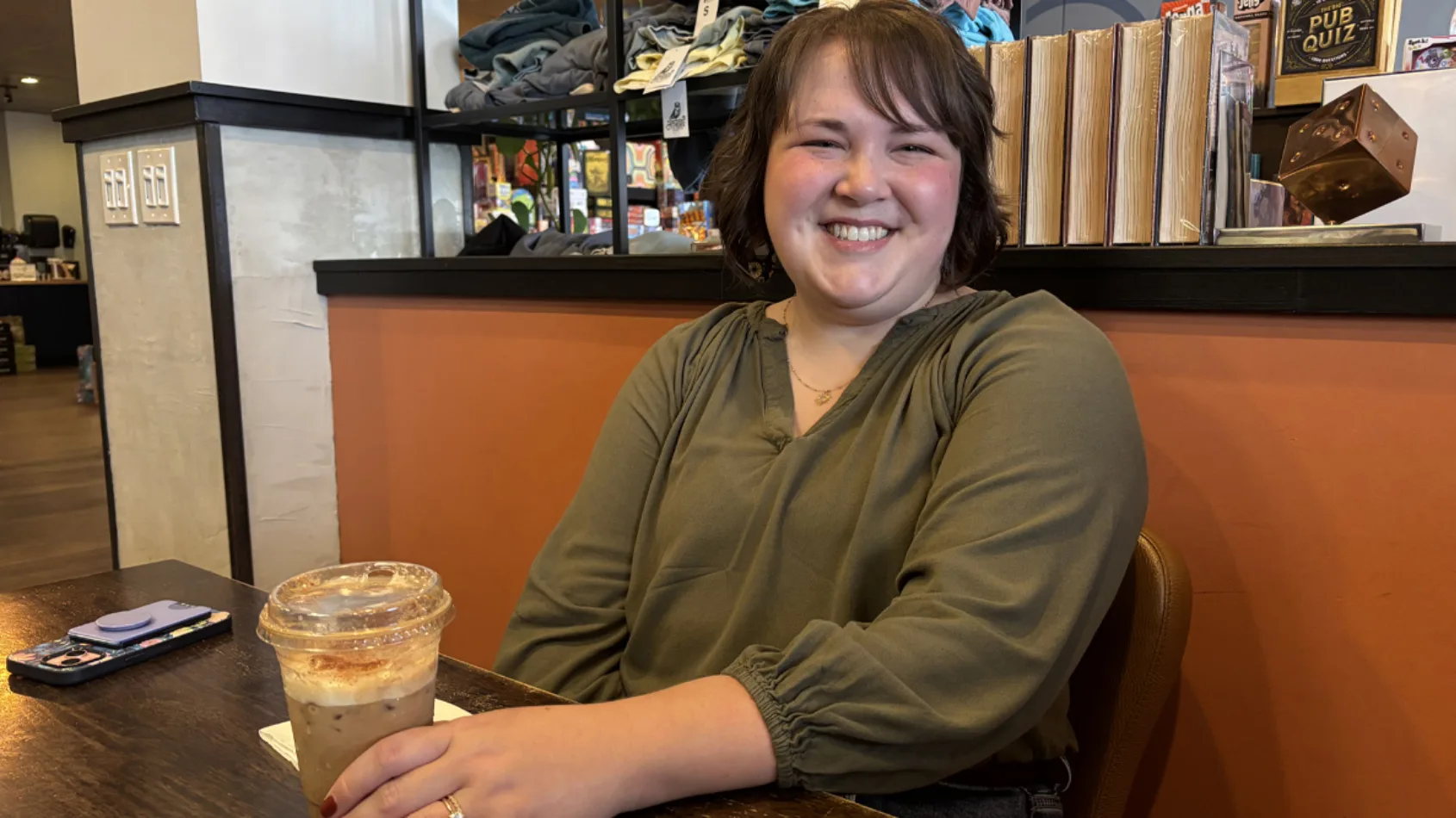
She was 28, a future wide open with a new husband, when Victora Brown found a lump in her breast.
By TJ Banes, IU Health Senior Journalist, tfender@iuhealth.org
She wore a traditional white wedding gown; the bridegroom wore a black suit. The attendants wore colors of olive green, terre cotta, and champagne. They exchanged their wedding vows before family and friends and honeymooned in St. Lucia.
Victoria Brown didn’t even have time to legally change her last name to match her husband’s, Isaiah Carrell, when she found a lump in her left breast.
“We had just come home from a friend’s Christmas party. I was changing my clothes, and my hand went straight to it. I was tearful and Isaiah, was like ‘it’s going to be OK,’” said Brown who turned 30 in June. At the age of 28, she was diagnosed with invasive ductal carcinoma hormone positive. It was four months after she exchanged wedding vows with her husband.
In some ways, the diagnosis had hung over Brown’s head like a dark cloud.
“There’s a family history of breast cancer. My mom was diagnosed at 32 and others in the family have also been diagnosed,” said Brown. Genetic test results were negative for BRCA, showing no inherited mutations.
Brown found her first benign lump at the age of 19 and began seeing a high-risk breast specialist at the age of 24. She began having an annual MRI and was doing self-checks.
Two weeks after a self-check she found the lump that resulted in her diagnosis.
“I knew in my gut it felt different,” said Brown. She went to another hospital where her high-risk specialist practiced. A biopsy followed and then a tidal wave of appointments. She first opted for a single mastectomy but when she learned her tumor was moving aggressively, she had a bilateral mastectomy. Chemotherapy and radiation followed and at age 29, she started a hormone suppressant, putting her body into medical menopause. She also had a hysterectomy to help decrease the incidence of other gynecological cancers.
She was diagnosed in January 2024 and a year later, came to IU Health where she met Dr. Bryan Schneider, who specializes in breast cancer care. He also has clinical expertise in precision oncology and research.
“From the moment I met Dr. Schneider and his nurse Julie Cory, I felt comfortable. I was having side effects from one of my medications. I remember describing the symptoms and saying, ‘if this is what I have to do, then this is what I’ll do,’” said Brown. “Dr. Schneider said, ‘up until now it’s been about survival mode, but now it’s about quality of life. He has changed my meds, greets me with a smile and a hug and just makes things a little more bearable,” said Brown. At IU Health she was also in the care of Dr. Aladdin Hassanein who performed reconstructive surgery.
On top of the diagnosis was another layer of grief for Brown and her husband. “We had the fertility discussion knowing I was going into menopause. We had an option to freeze eggs, but we decided to consider foster care and adoption instead,” she said.
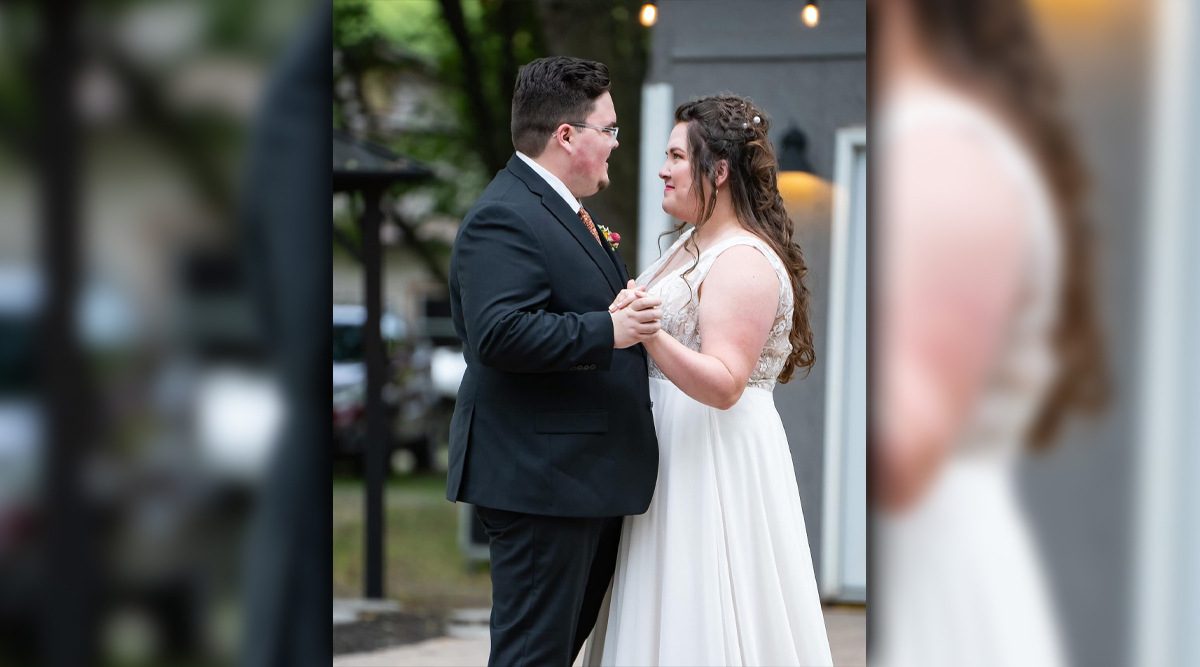
Throughout the journey, Brown said her husband has been her rock. She is the only child of Brian and Amanda Brown, who have also provided immense support.
Brown grew up in Anderson, attending Liberty Christian School. She studied music therapy at the University of Dayton and began working with patients in hospice care right out of college. She grew up singing in church and through college learned to play guitar. Her husband is also a musician and serves as worship pastor at The Fountain congregation, Fountaintown, Ind. They settled in Greenfield, Ind. where her husband records music in their basement studio.
Throughout treatment and recovery, the couple turned to their faith and music for healing.
“I’ll be getting ready, and Isaiah will bring a first draft of a song he’s writing, and it encourages me. The hardships have enriched our relationship,” said Brown. “Throughout my cancer journey I’d hear, ‘God is going to use it for good,’ but that doesn’t put a bow on the diagnosis. There are sorrow and heartache. Isaiah telling our story through music is a glimpse of good.”


