


June 24, 2026
Summer safety: knowing the difference between sprains and breaks and when to get help
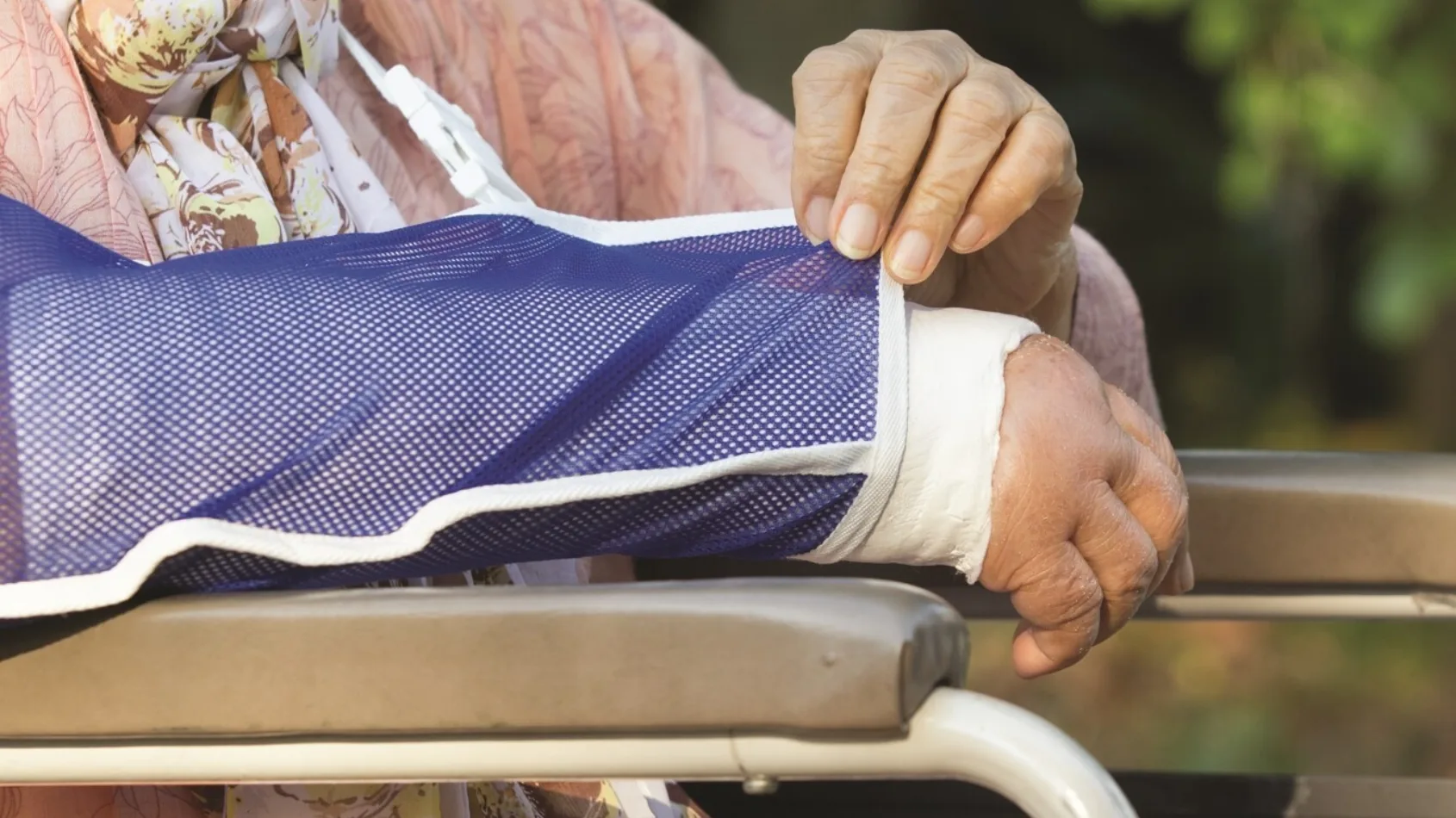
While the summer season invites more activities, fun and time spent outdoors, it also leads to a higher likelihood of painful injuries that can put a pause on summer plans.
“We definitely see an increased number of sprains and bone breaks, or fractures, coming into the warmer months,” says Kyle Kurasz, advanced provider team lead at the Broad Ripple Urgent Care. “The mainstay of minimizing injuries is regular stretching, exercise and physical activity, along with a healthy diet. Strengthening bones and keeping joints flexible goes a long way to keeping the body injury-free, but accidents do happen.”
Understanding the differences between fractures and sprains, and where to seek care, can help keep your summer plans on track.
“When a specific bone in the body breaks in one of many ways, it’s a fracture,” says Kurasz. “A fracture can be just small cracks, small pieces of a bone pulling off or a simple break. Ligament sprains and tendon strains are when part of the tissues connecting bones-to-bones or bones-to-muscles are stretched beyond normal and can tear, either slightly or severely.”
For minor sprains or strains, following basic care steps at home may be enough to support recovery. Resting the injury, applying ice, using compression or a brace and elevating the affected area can help reduce swelling and discomfort. While fractures involve damage to the bone itself, sprains and strains affect the soft tissues around joints. Both can cause pain, swelling and limited mobility, making it difficult to tell them apart without a proper evaluation. Because symptoms can overlap, seeking care when you are unsure can help rule out more serious injuries.
“Often it is difficult to determine if something requires further medical treatment based on symptoms alone,” says Kurasz. “Most of these injuries can be treated at the Urgent Care, but, more severe injuries, like high-impact falls, pedestrians being struck by a car, open wound fractures and severe trauma should be brought to an emergency department.”
IU Health Urgent Cares are equipped to assess injuries quickly and provide the support needed to start healing. During an Urgent Care assessment, X-rays are available, often in-clinic, to provide further evaluation. Depending on the results, bracing and short-term casting are performed as needed. Crutches are also available for leg or ankle injuries along with arm slings for shoulder, elbow injuries.
“If there is any concern, the teams at our Urgent Cares are always happy to perform an evaluation,” says Kurasz. “Sometimes the best news is a clean bill of health and peace of mind.”
Learn more about Urgent Care.