July 23, 2026
A better path to recovery: Mitchell man among first to receive transoral robotic surgery in Bloomington
IU Health Bloomington Hospital
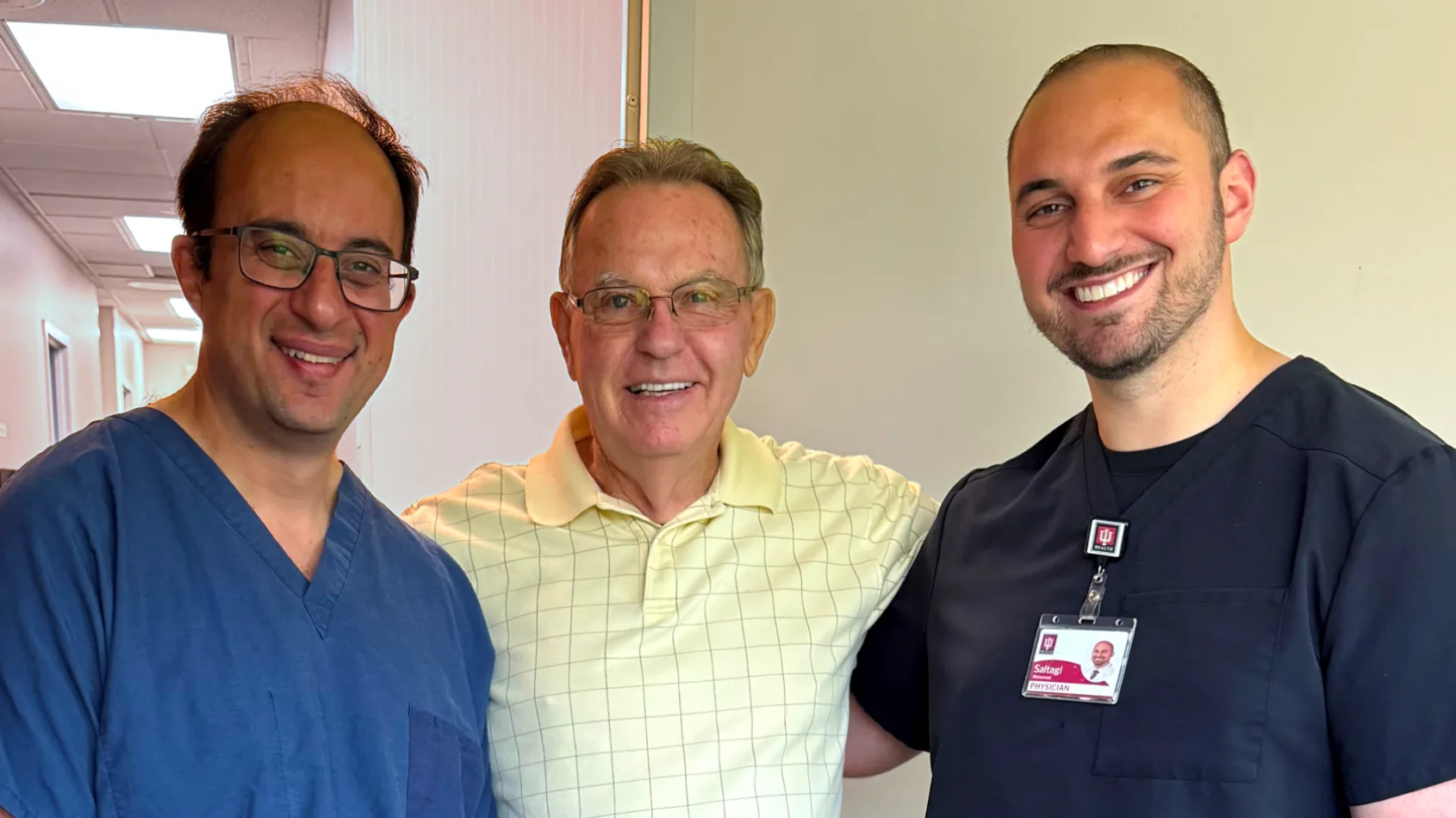
Claude Roop is retired and spends his time with his wife, taking care of their 20-acre property in Mitchell, Indiana. He’s also one of the first people to receive transoral robotic surgery in Bloomington.
During a routine primary care appointment, his physician suspected Roop had cancer and referred him to IU Health otolaryngologist Mohamad Saltagi, MD.
He shared how meaningful it was that Dr. Saltagi wanted him to have the least invasive surgical option and cared about his overall health, encouraging exercise and protein shakes in the weeks leading up to surgery.
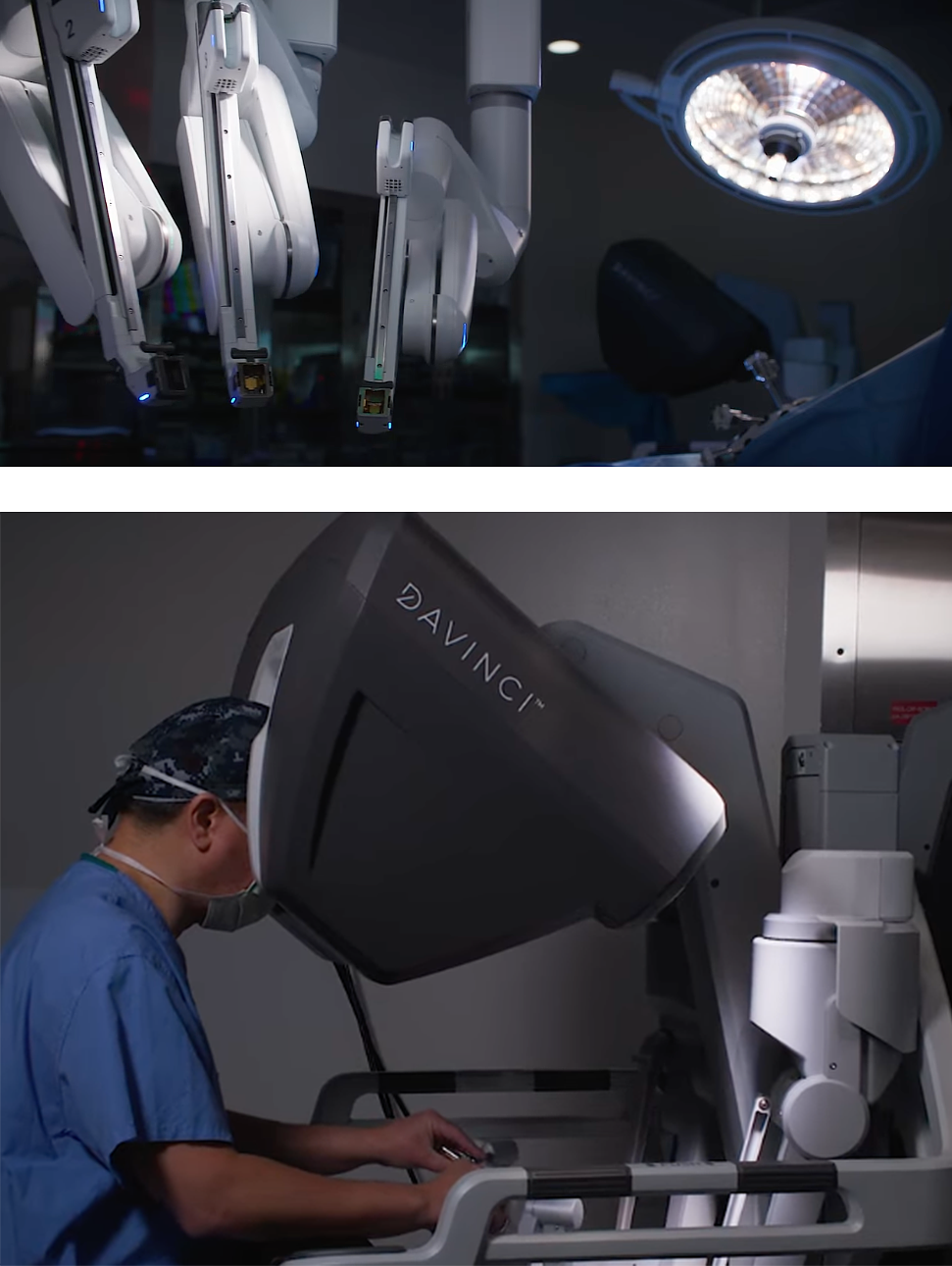
The procedure was performed through the mouth—transoral robotic surgery—and Dr. Saltagi alongside his colleague, Ahmed Ibrahim, MD, successfully removed Roop’s cancerous tonsil and his lymph nodes, which were at risk of becoming cancerous. The tonsil tumor was removed through the mouth using the Da Vinci robot and the neck lymph nodes were removed through a 2- to 3-inch incision on the neck.
“Transoral robotic surgery helps us access tumors that were previously too difficult to access or required a more aggressive approach,” said Dr. Saltagi. “In many situations, it allows us to do safer, more magnified surgery, in tough-to-reach areas in the mouth and throat.”
Historically, this cancer was often treated with high doses of radiation and chemo. That method is effective against cancer but can cause side effects including dry mouth, trouble swallowing and loss of taste. For younger patients, they could be dealing with side effects for the rest of their life.
“The very exciting part of this surgery is that when we’re able to safely access that tumor in a way that doesn’t introduce so much morbidity and completely remove the tumor, it is easier for the patient to recover,” said Dr. Saltagi. “Studies have shown similar cure rates with surgery followed lower amounts of radiation. Compared to traditional chemotherapy and high-dose radiation, surgery has the added benefit of reducing the lingering side effects and health consequences of high-dose chemo and radiation.”
“After the surgery, I went back to my room and I never had any real strong pain in either place that he did the surgery,” said Roop, who was able to control pain after surgery only with Tylenol.
In the past, many transoral robotics surgeries needed to be done in Indianapolis. Offering it in Bloomington and expanding access to surrounding counties allows patients like Roop to receive leading-edge care closer to home.
“It’s a huge thing for us to be able to do this here. It’s definitely a privilege and it feels great to be able to offer that to the community,” said Dr. Saltagi.