March 04, 2026
Bloomington Gastroenterologist Bret Spier, MD, shares why colonoscopies matter
IU Health Bloomington Hospital
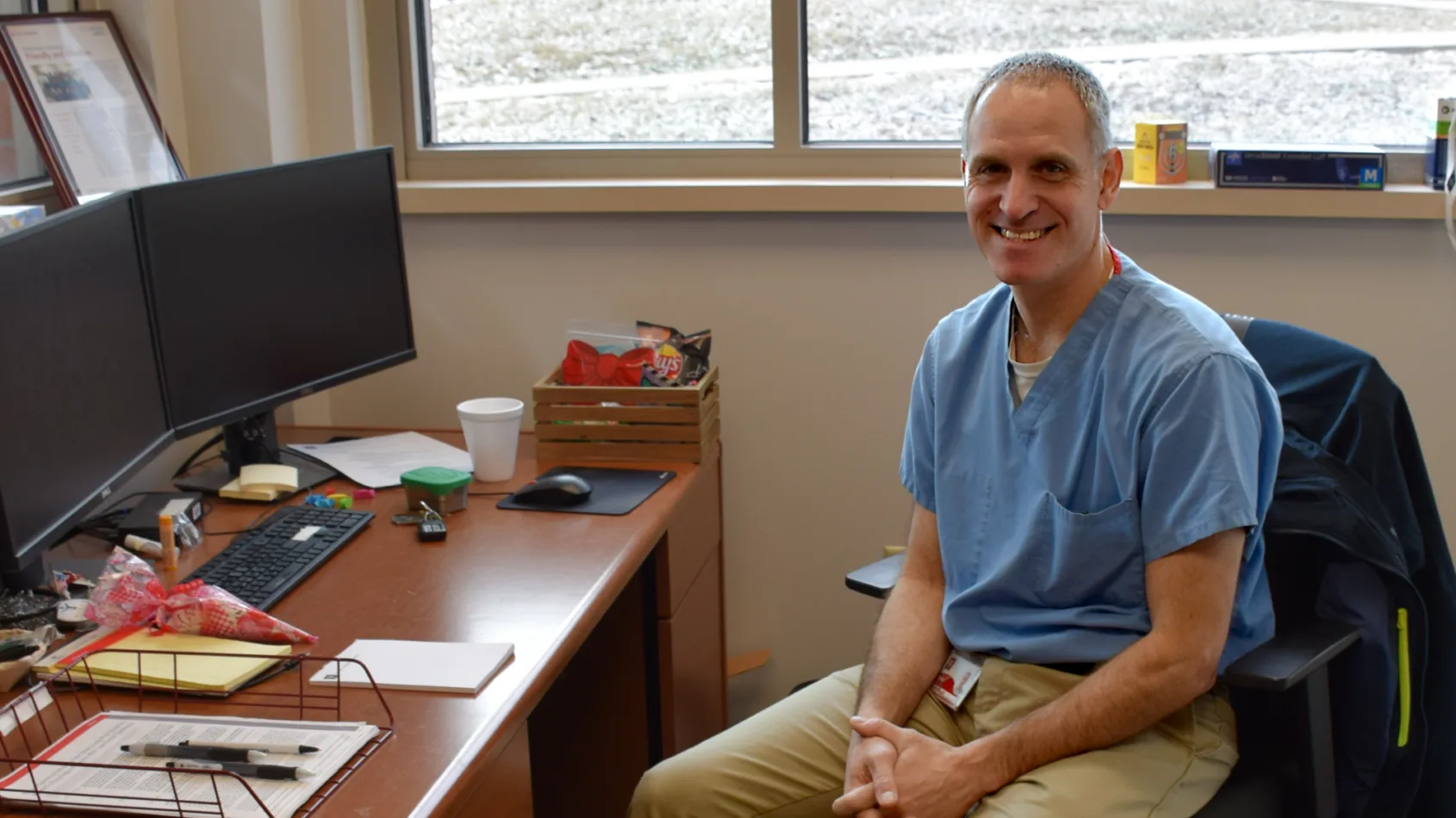
The American Cancer Society estimates there will be over 108,000 new cases of colon cancer in the United States in 2026, and nearly all these cases will start as a polyp. Colon cancer is one of the few preventable cancers.
A colon polyp is a growth that forms in the large intestine, also known as the colon. While some polyps are harmless, others can develop into colon cancer.
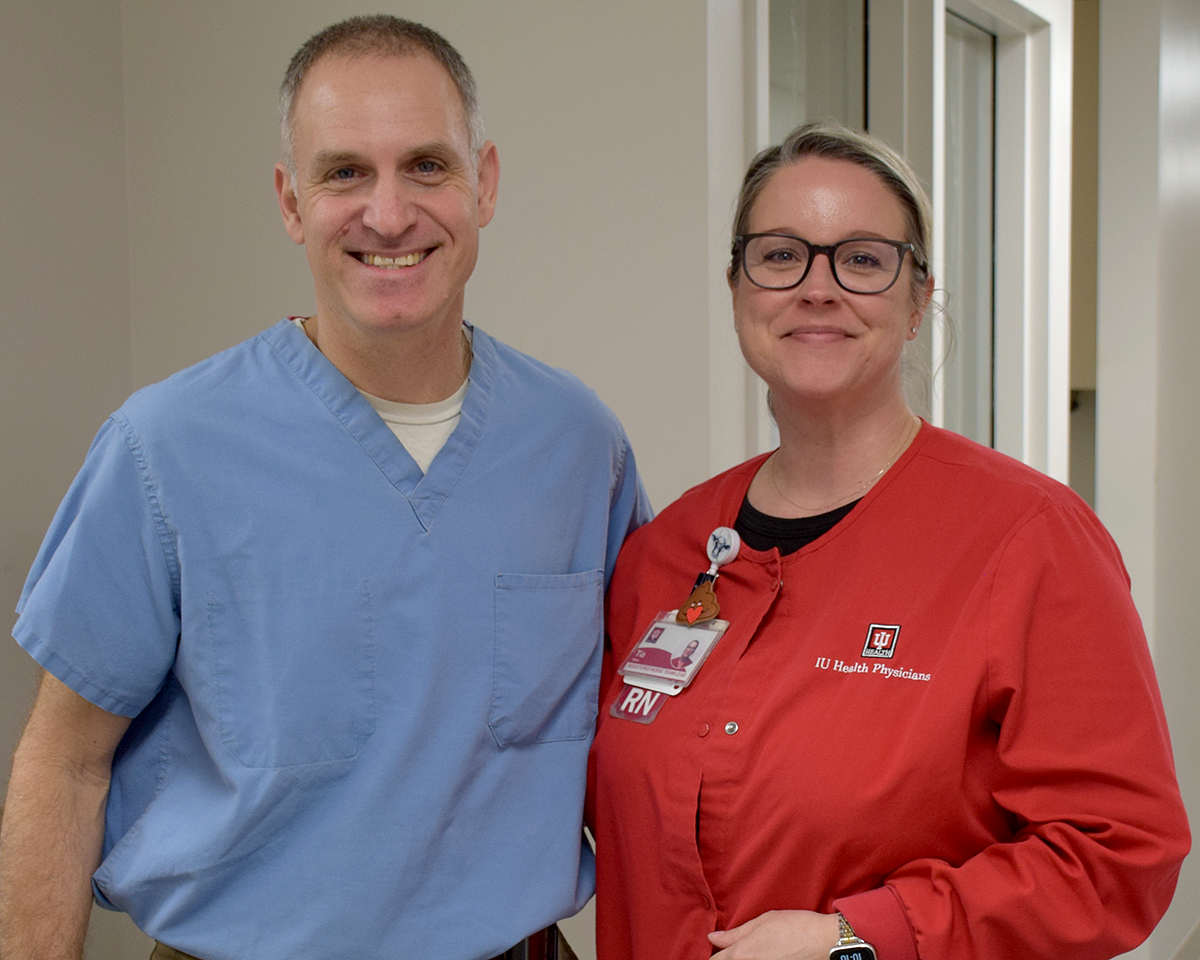
“The goal of a colonoscopy is to find and remove polyps before they have the chance to turn into cancer,” says Bloomington Gastroenterologist Bret Spier, MD.
That prevention-focused approach makes colonoscopy a powerful tool. During the procedure, a physician examines the colon and can identify and remove polyps in the same visit.
“This early detection is critical because colon polyps typically cause no symptoms,” explains Spier. “Most people do not feel sick or notice changes as polyps grow, which is why routine screening plays such an important role in colon health.”
The limits of at-home, blood-based screening tests
“In recent years, blood and stool-based screening tests have become more widely available,” shares Spier. “These tests can help detect existing colon cancer, but they were not created to identify polyps. That distinction is important.”
When polyps go undetected and untreated, they can continue to grow and may eventually turn into colon cancer. At that stage, treatment often involves surgery and may require abdominal incisions. Colonoscopy remains the only screening method that both detects polyps and removes them during the same procedure.
When to get screened
Health experts recommend adults at average risk begin colon cancer screening at age 45. Some people may benefit from earlier and more frequent screening, including those with:
- A family history of colorectal cancer
- A personal history of polyps
- Certain genetic conditions
- Inherited colorectal syndrome such as Lynch Syndrome or familial adenomatous polyposis (FAP)
If you are unsure when to begin screening, a primary care provider can help determine a timeline based on your medical history and risk factors.
Choosing an endoscopist
When scheduling a colonoscopy, it’s reasonable to ask about the endoscopist’s adenoma detection rate. This metric reflects how often a physician identifies and removes adenomas, the most common type of precancerous colon polyp.
National benchmarks show average adenoma detection rates of about 40% for men and 30% for women. Physicians with higher detection rates are more likely to find and remove polyps, reducing the risk of colorectal cancer over time.
Taking the next step
To schedule a colonoscopy, start by asking your primary care provider for a referral.
Detecting and removing polyps early can stop cancer before it starts—and that can make a life-saving difference.