March 13, 2026
Bloomington gastroenterologist found the cancer before it could take root
IU Health Bloomington Hospital
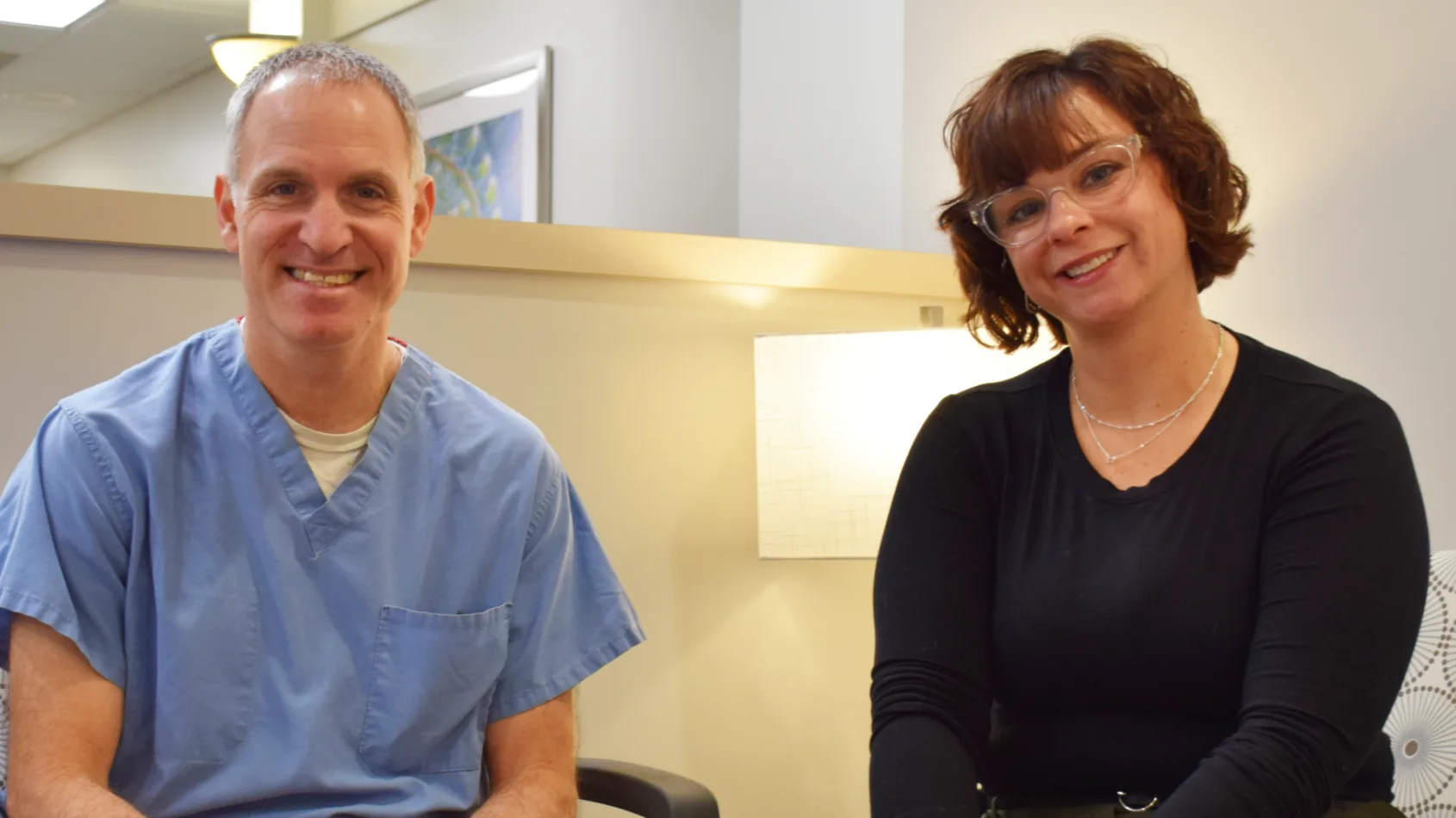
After more than a decade as a registered nurse, Mariah Thompson understood the importance of routine screenings and paying attention to new symptoms. But clinical knowledge doesn’t always keep a person from dismissing warning signs—especially when those symptoms feel embarrassing to talk about.
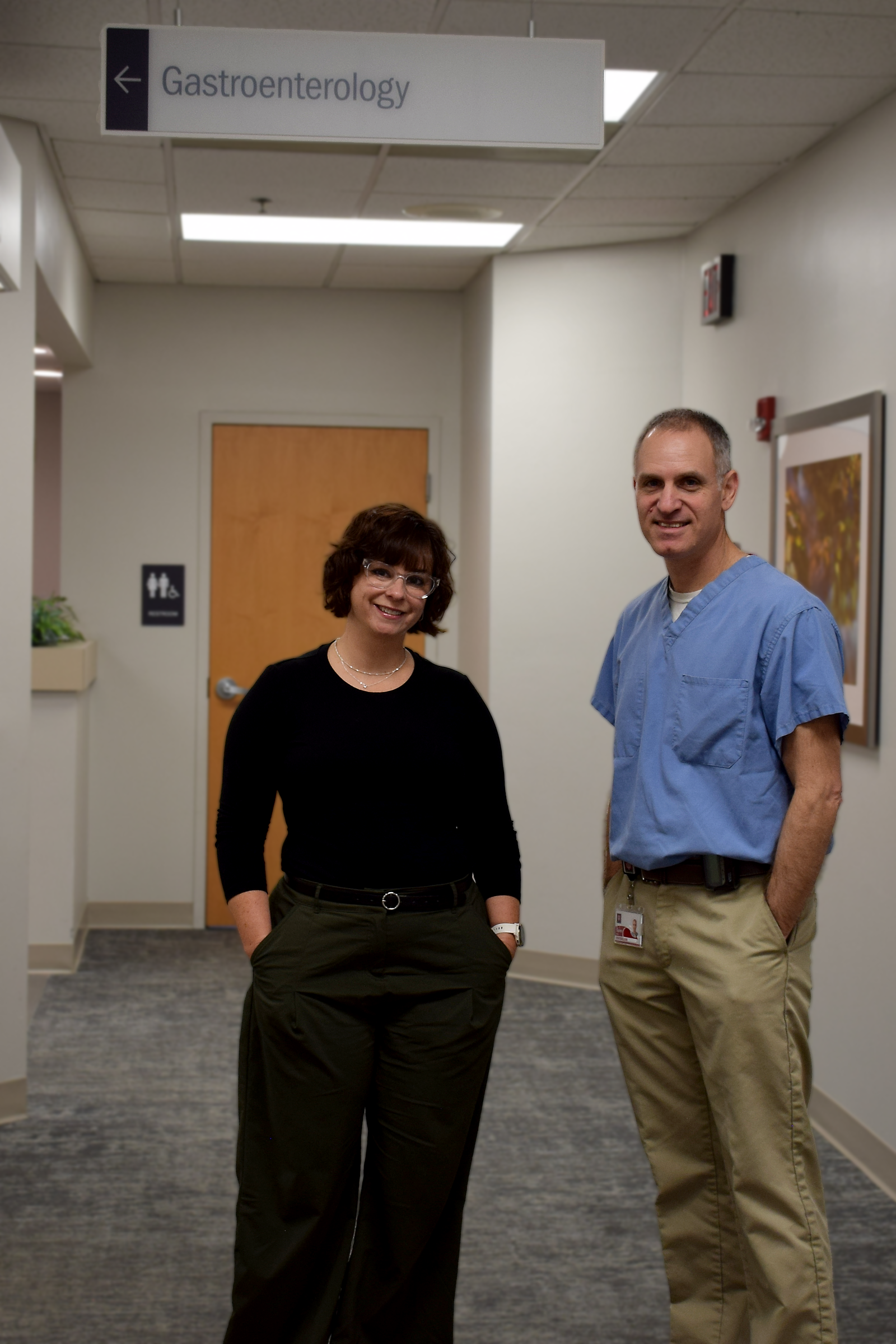
Thompson had been experiencing some rectal bleeding for a while and told herself it was due to other factors. Then, it got bad enough, she knew she needed to see a doctor and she was immediately referred to Bloomington gastroenterologist Bret Spier, MD, for a colonoscopy.
“When I woke up from my first colonoscopy, my husband was there and he told me they found a large mass,” says Thompson. “So, they did a scan and the biopsy and all the tumor markers came back normal, but when they performed the second scope and removed the mass, it was confirmed I had cancer.”
Since that first scan and diagnosis, Thompson has endured a lower interior resection to remove part of her colon, a temporary ostomy and a Nasogastric (NG) tube. She recently had her one year follow up scope and remains cancer free.
“I told Dr. Spier he saved my life, I didn’t even have to have chemo,” says Thompson. “He was so adamant that this was cancer even when all of the tests said I didn’t have cancer, so I’m very thankful I had him in my corner advocating for me and getting all of the right people involved.”
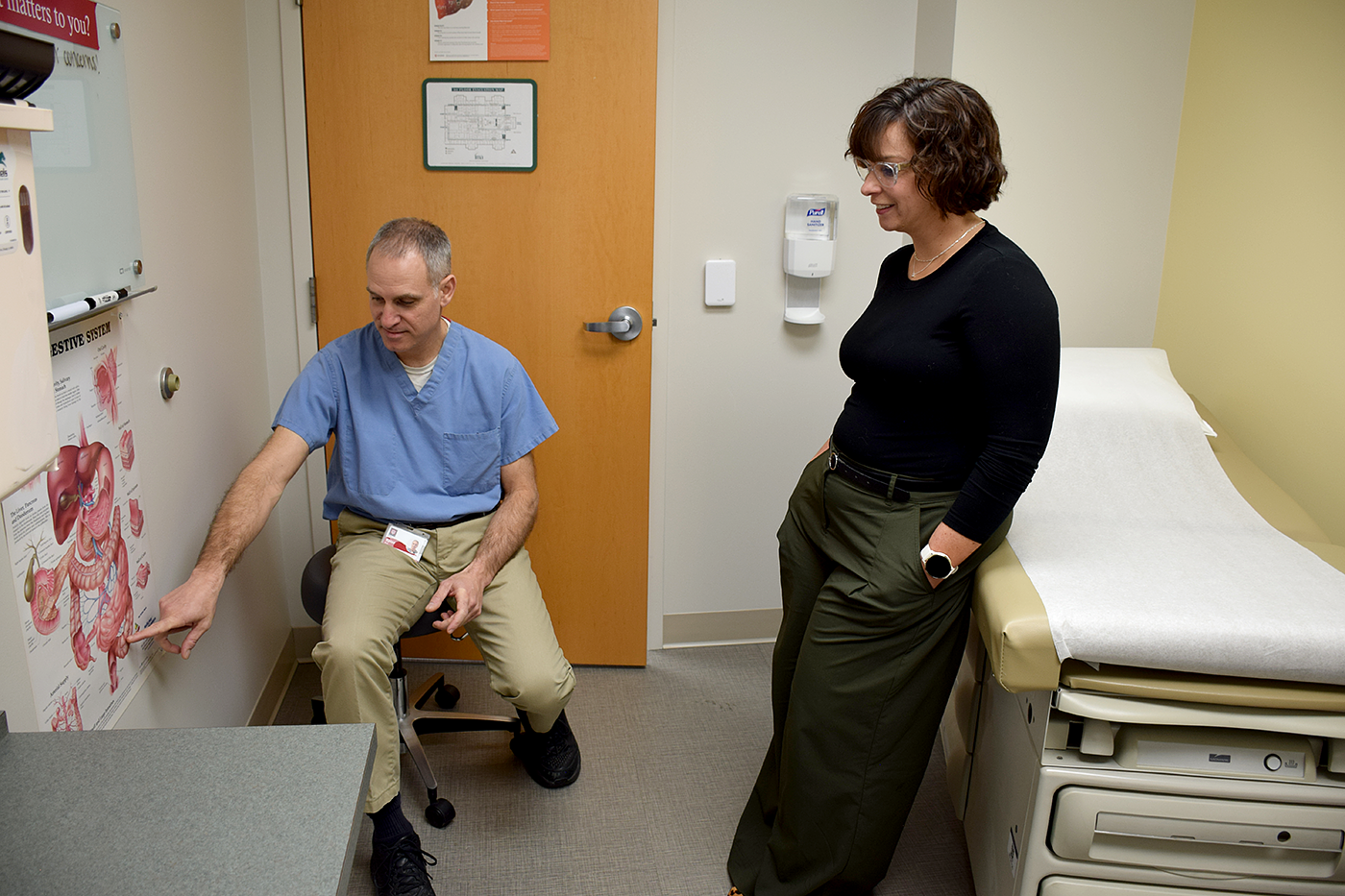
Thompson’s case shows the importance of early detection, which caught her cancer before it could progress to require harsher treatments.
“Thinking back to that first colonoscopy I was super emotional. My mom passed away from pancreatic cancer, and I just felt like they were going find something and tell me something awful, like I had cancer,” says Thompson. “I remember Dr. Spier calling me that night and saying, ‘Mariah this is not like your mom. We caught this very early and the mass doesn’t have roots. You win.’”