


March 26, 2026
Dietitians use the power of nutrition to impact patient outcomes
IU Health Methodist Hospital
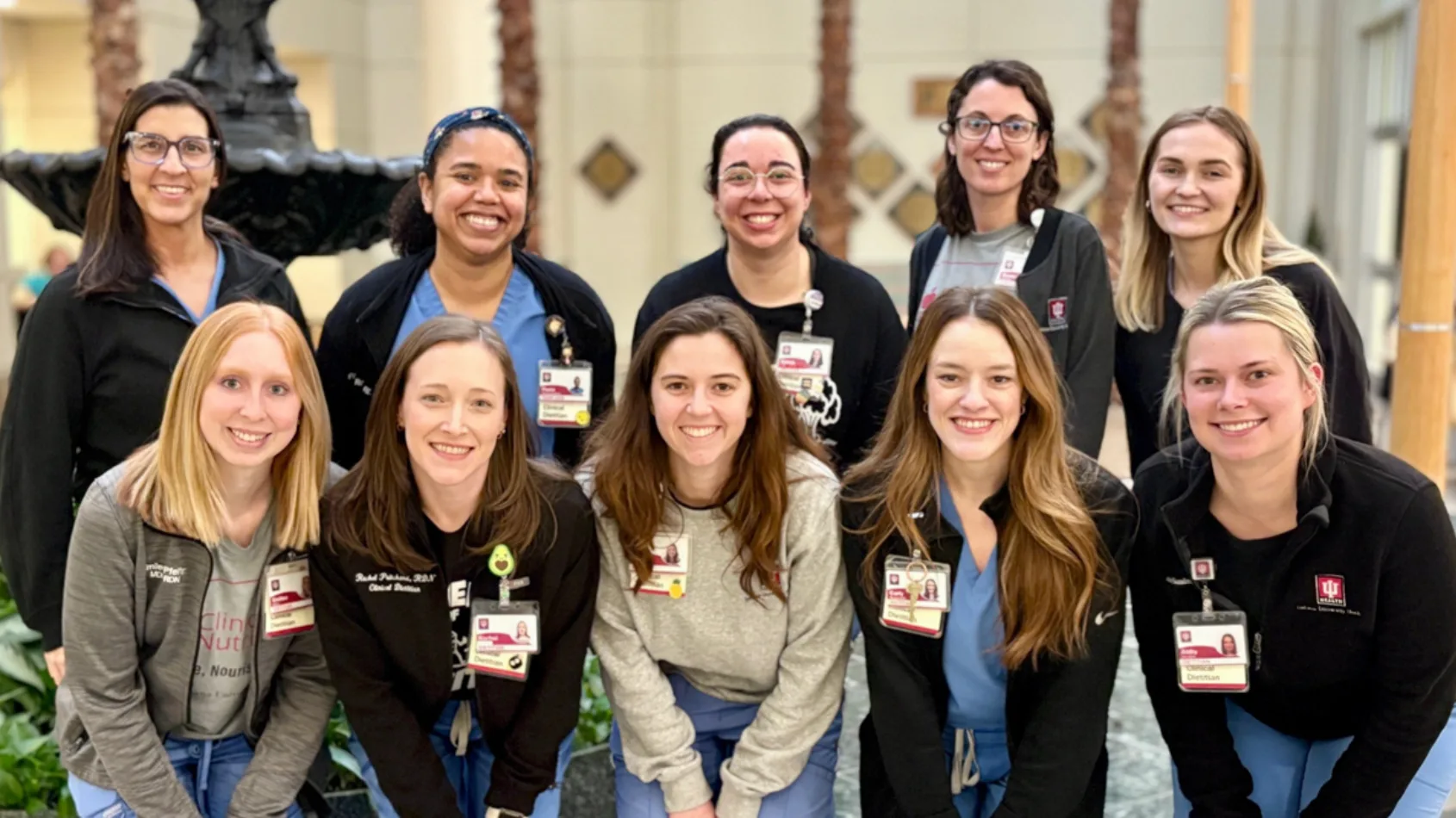
RDs at the IU Health adult academic health center work on intensive care units, surgical units, outpatient clinics and many other areas of the hospitals.
The word “dietitian” often makes people think of weight loss. But in a hospital setting, registered dietitians (RDs) are specialized clinical professionals focused on much more than weight management. RDs at the IU Health adult academic health center work on intensive care units, surgical units, outpatient clinics and many other areas of the hospitals. They use nutrition as a powerful tool in improving patient outcomes and helping to save lives.
Becoming a registered dietitian requires a 4-year undergraduate degree, 1,200 supervised practice hours through an accredited program, passing a board registration exam, and, for newly registered dietitians, a master’s degree is now required as well. These professionals help patients manage nutrient deficiencies and address malnutrition, adjust diets based on disease progression, and help with assisted nutrition and enteral feeding tubes.
“In my opinion, dietitians are extremely impactful in advocating for the importance of nutrition in the healing process,” says Abigail Saunders, MS, RDN, clinical dietitian at Methodist Hospital. “Malnutrition has been shown to lead to longer hospital stays, delayed wound healing and overall poorer outcomes; however, it is a piece of the care process that can be overlooked. Not only are RDs trained to identify and diagnose malnutrition, but they continue to work with patients diagnosed with malnutrition during their hospital stay to help them meet their nutritional goals to promote recovery.”
Additionally, some patients are unable to eat for a prolonged period during their hospitalization. In these cases, RDs ensure the patient’s nutrient needs are met through nutrition support. RDs also help patients return to normal eating habits after hospitalization and provide diet education for numerous conditions to prepare patients for discharge.
“I feel that sometimes RDs are in the background of the care process, but the impact they have on patients and their recovery process is much bigger than other people may see,” Saunders says. “Especially in our world today, it can be hard to separate accurate nutrition advice from misinformation, so I believe clinical dietitians are more important than ever to help provide accurate, science-based nutrition information and recommendations not only to patients but also to other medical professionals.”
It's hard to overstate the impact that clinical dietitians have on patient care throughout many different areas of a hospital. And throughout the breadth and variety of their work, Saunders and her colleagues stay motivated by the desire to keep doing just that—making an impact. “As cliche as it sounds, the part of being a dietitian that I am most proud of is the positive impact you can have on a person’s life,” she says. “Whether that’s helping a patient set nutrition goals so they can regain their strength and independence or just helping a patient pick out a meal, it is extremely fulfilling to be there to support someone through a difficult time.”
