August 07, 2026
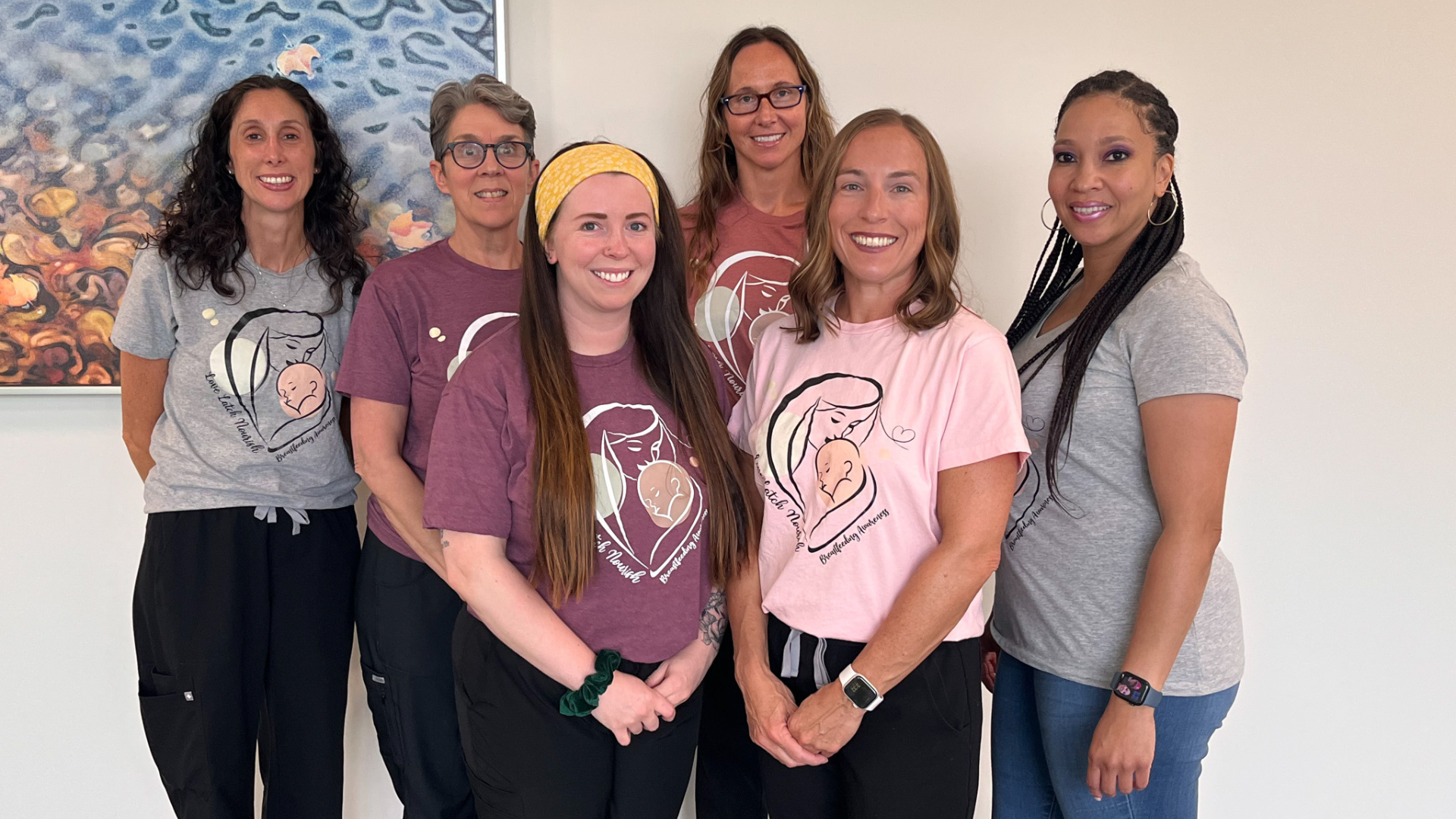
Lactation team helps dedicated mom and premature twins through breastfeeding journey
IU Health North Hospital
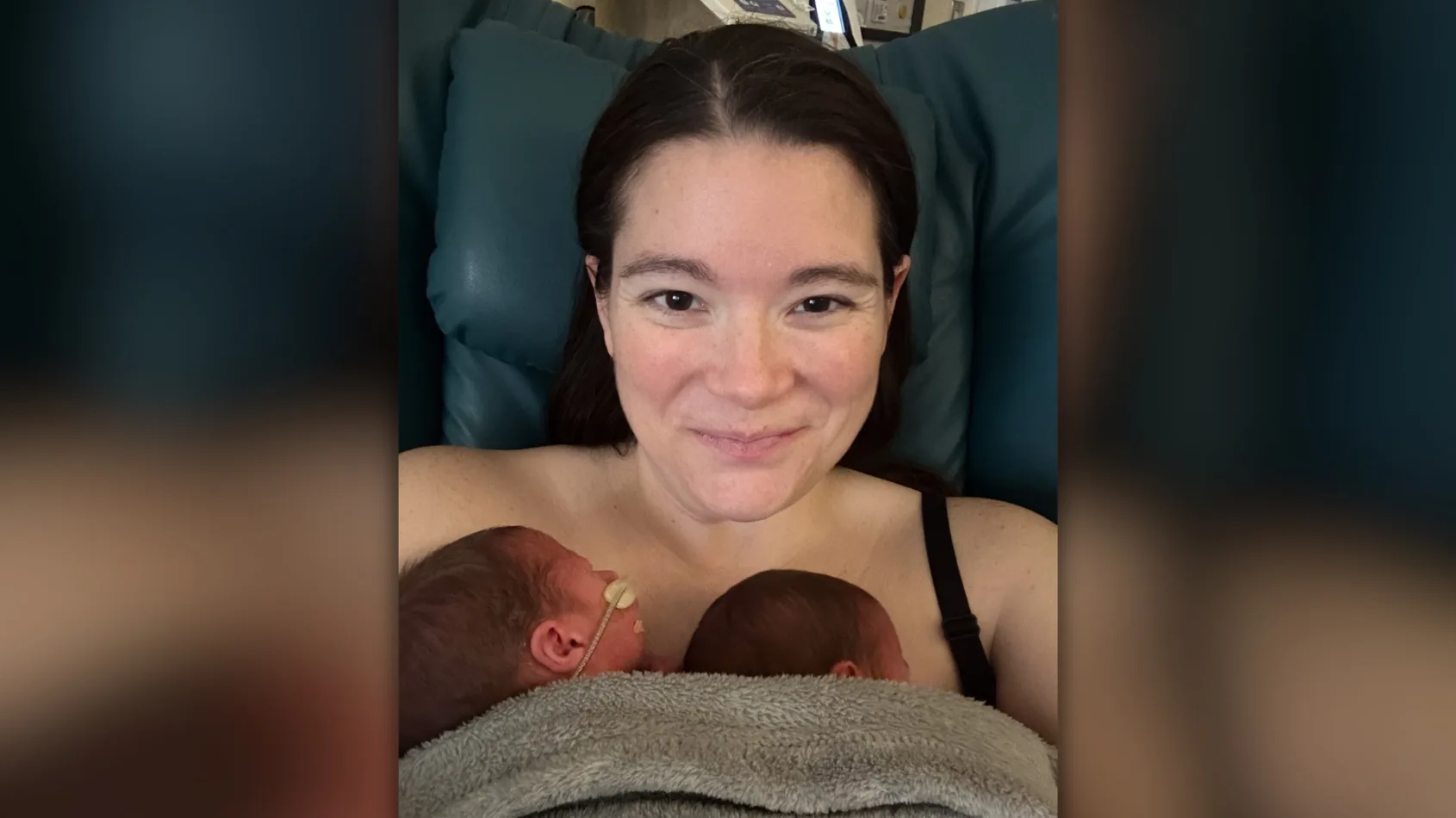
The IU Health North lactation team worked with the mother of premature twins to overcome breastfeeding challenges, establish a healthy milk supply and ultimately bring her babies home exclusively breastfeeding after a 71-day NICU stay.
When Chelsea Spickelmier was pregnant with her identical twin boys, she was determined to breastfeed. As a mother of two, she had navigated breastfeeding challenges before, including oversupply and mastitis. When her twins arrived prematurely at 30 weeks by emergency C-section, that goal became even more complex.
However, with support from the lactation team at IU Health North, Spickelmier was able to successfully breastfeed both boys by the time they were discharged from the hospital.
After welcoming Colin and Cameron on September 28, the Lactation team connected with Spickelmier right away during her postpartum stay. That support continued when the twins were admitted to the Riley Children's Health Neonatal Intensive Care unit (NICU) at IU Health North.
"I told the team that I wanted to breastfeed, and they were immediately on it. So, it was a really great experience that they were immediately there to help me," Spickelmier says. "They were checking in each day, getting me started on having a pump from the hospital and getting all the parts I needed, like bottles."
Abigail Roark, a lactation consultant in the NICU, met with Spickelmier after the twins' arrival.
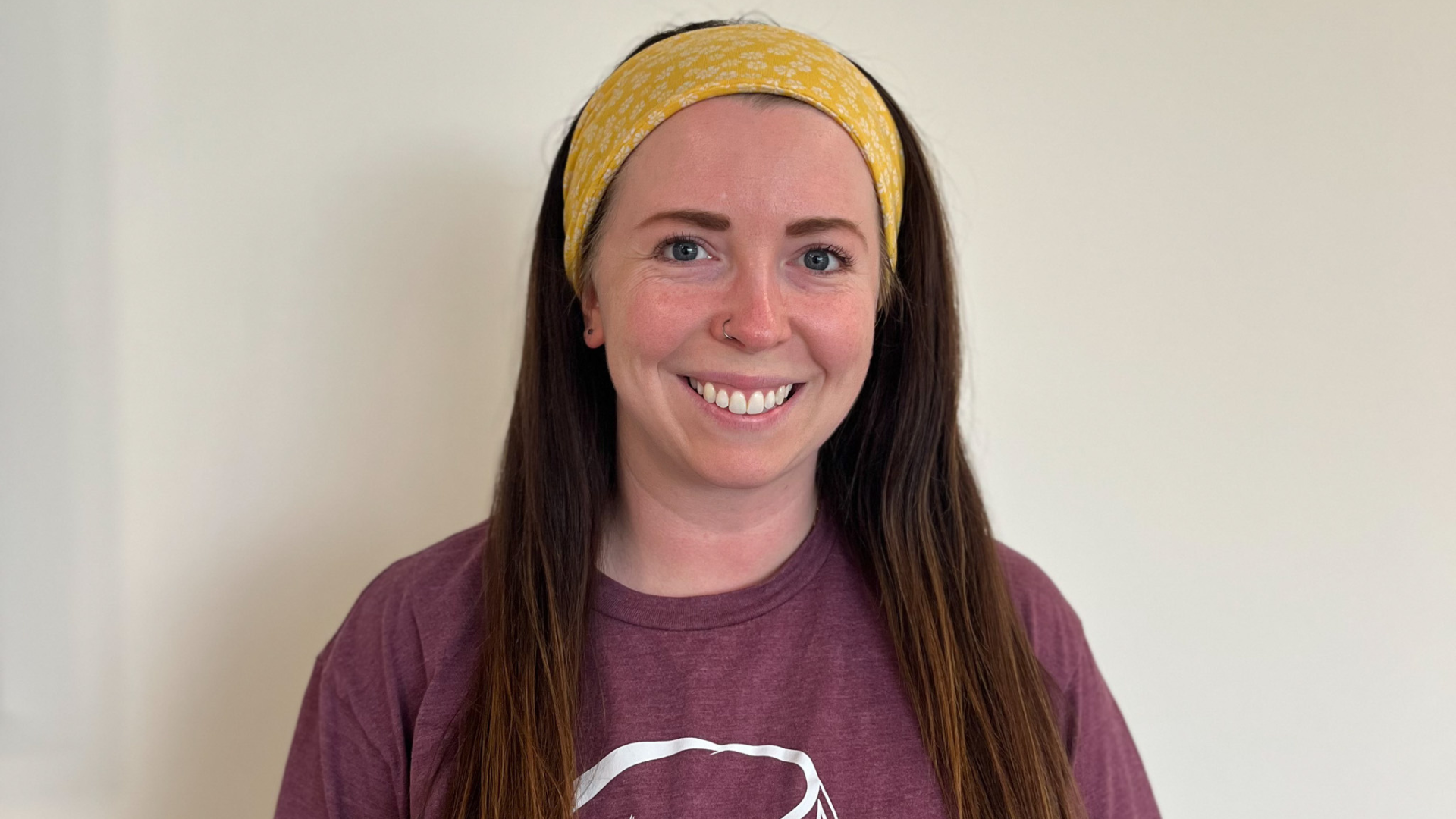
"I first met Chelsea shortly after Colin and Cameron were born and admitted to the NICU," Roark says. "From the very beginning, there was an instant connection. Chelsea was navigating something that no parent expects, having two babies born at 30 weeks after an emergency C-section, and I could immediately see how much she wanted to do everything she could for her boys."
Building a foundation
Colin and Cameron spent 71 days in the NICU, during which Spickelmier was in frequent contact with lactation consultants. Because the twins were born prematurely, breastfeeding could not begin immediately.
"Because Colin and Cameron were born at 30 weeks, they were not developmentally ready to breastfeed right away. Our initial focus was helping Chelsea establish and protect her milk supply through pumping while the twins received her expressed breast milk through feeding tubes," Roark explains.
The team also identified an unexpected resource. Spickelmier still had frozen breast milk from breastfeeding one of her older children, and because it had been stored properly and was less than a year old, it could be used to supplement her supply while it increased.
"I actually had frozen breast milk that was not a year old yet in my deep freeze, and they let me know that I could bring some of that in because it was still good," she says. "I would have gone donor milk if my milk wasn't an option, but we were able to exclusively use my breast milk for the babies."
Two babies, two different journeys
Breastfeeding attempts began gradually when the twins reached approximately 34 to 36 weeks. Although Colin and Cameron were twins, each developed feeding skills at a different pace.
"Even though Colin and Cameron were twins, they each had their own personalities and their own feeding journeys. One of the things we see often with premature babies is that feeding progress is not always linear, and each baby develops those skills at their own pace," Roark says. "We worked through challenges like endurance, coordination, latch, and making sure each baby was transferring enough milk. We also continued to help Chelsea manage her oversupply so she could continue breastfeeding comfortably."
For Spickelmier, one goal remained firmly in focus: bringing her boys home without feeding tubes.
"I have two other kids and two dogs at home, and I was worried about a kid grabbing a feeding tube and yanking on it. But I told my lactation team, 'I really think that they can do this,'" she says. "The team worked with me literally every feed. I was in the NICU all day, and that last week, I just stayed and fed the boys so they would hit the numbers needed for discharge. We got them strong enough that I was able to take them home exclusively breastfeeding and without any tubes."
Roark says Spickelmier's commitment played a major role in that success.
"One of the things that stood out about Chelsea was her dedication," Roark says. "She spent that final week staying focused on breastfeeding at each feed, learning their cues and giving them the opportunity to show what they could do. Watching her confidence grow alongside theirs was such a rewarding part of the journey."
A reminder for other moms
August marks National Breastfeeding Month, an annual observance that highlights efforts to improve breastfeeding support and outcomes around the United States.
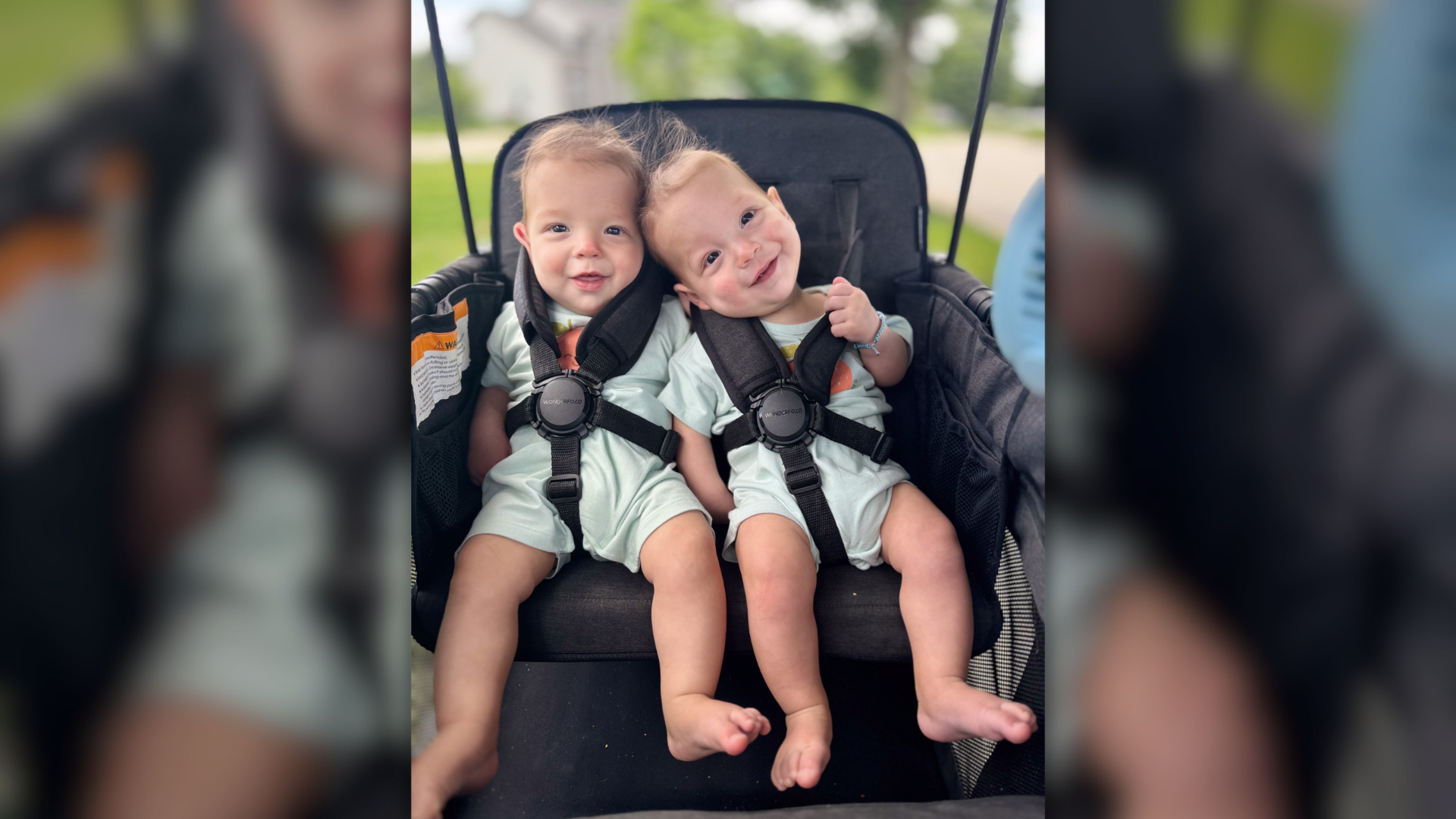
Spickelmier is proud that at 10 months old, the boys are still successfully breastfeeding. As she reflects on her experience, she credits her encouraging husband, the IU Health North care team and a strong community of breastfeeding support.
"I don't think I would have been able to do it on my own without the support that I got," she says. "I am a veteran mom, and even still, it was difficult. I am just very grateful."
“While I had the privilege of walking alongside Chelsea throughout much of her journey, her success reflects the incredible collaboration between Chelsea, her family as well as the NICU nurses, providers and our entire lactation team,” Roark adds.
For Roark, Spickelmier's experience highlights the impact of that partnership between families and healthcare teams.
"Chelsea's story is such a beautiful example of what can happen when a dedicated family and a supportive healthcare team work together," Roark says. "Her journey with Colin and Cameron is a reminder that breastfeeding success does not always happen quickly or easily, but with support, patience and perseverance, families can accomplish incredible things."
Both women hope to encourage mothers who may be struggling with their own breastfeeding journeys to give themselves grace.
"Breastfeeding looks different for every mom and every baby," Spickelmier says. "My journey wasn't picturesque or perfect, and that's okay. Everybody's journey looks different, and what works for you works for you."
Roark, who has supported countless mothers through breastfeeding challenges, echoes that message.
"It is not black and white. It is not all or nothing. And it is rarely a straight line," she says. "Some babies are born early, some are medically fragile, some are separated from their mothers right after birth and some families are navigating unexpected complications that completely change what they imagined their feeding journey would look like. Because of that, breastfeeding becomes less about a single definition of success and more about finding what works for your baby, your body and your circumstances."
IU Health North offers a variety of resources to support families throughout their breastfeeding journey. To learn more, visit IU Health's website and search "breastfeeding support.