


May 07, 2026
Spring allergies: what to know, when to act and where to get care
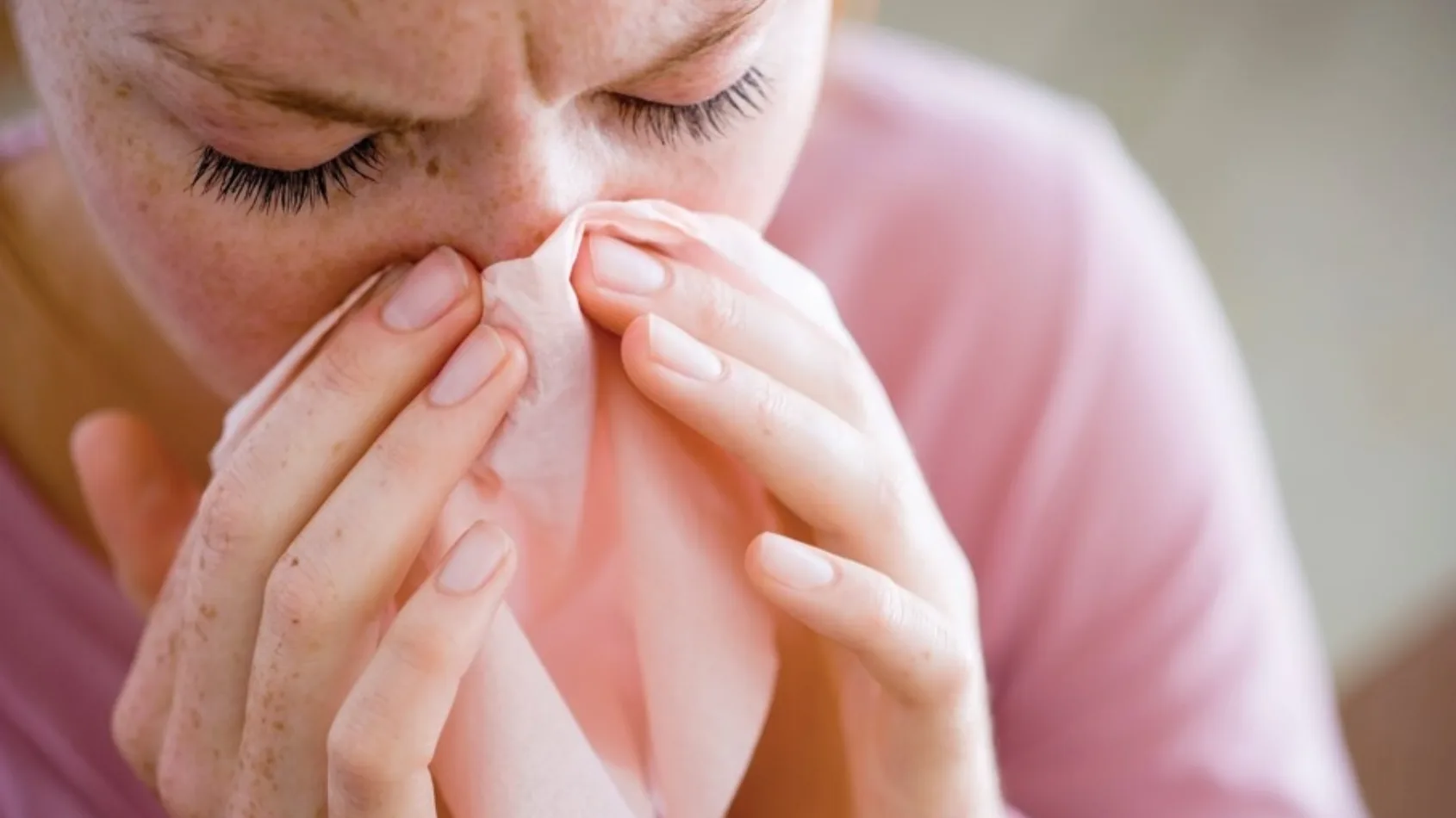
Allergies are a body’s reaction to substances that the immune system mistakes as a threat. Common allergy irritants, like pollen, food, pet dander, insect stings, mold and medications, elicit symptoms that can range from sneezing, runny nose and itching all the way to life-threatening anaphylaxis.
“There are different causes and levels to allergies,” says Felicia Walden, NP, Urgent Care, “and different ways to prevent and mitigate symptoms to ensure you’re feeling best and staying safe and healthy.”
Allergy symptoms like trouble breathing, tightness in the chest, wheezing, unconsciousness, nausea, vomiting and diarrhea warrant quick, critical care. Walden recommends calling 911 for immediate support and quick administration of medications that can reverse symptoms.
Allergy prevention and care
While some allergies, like seasonal and pet allergies, are often less serious and non-life-threatening, it doesn’t make them any easier to live with.
“Allergies that are left untreated will make you feel miserable and can lead to secondary infections in your eyes, ears, sinuses and more,” says Walden. “You just feel downright miserable, swollen and fatigued.”
With any allergy treatment plan, consistency is key to feeling your best.
“Identifying and admitting that you have seasonal allergies is the biggest, most important step in your care,” says Walden. “Then, it’s really all about treating your symptoms to prevent any kind of exacerbations and just to feel well overall.”
While airborne and food allergies are hereditary, the sooner someone is introduced to a potential allergen, the less likely that allergies will develop.
“With the hereditary side, there are certain things that we can do to try and prevent the development of allergens,” says Walden. “If there are known food allergens in the family, a pediatrician can help guide a family through safe food introductions. It is often recommended that food introductions happen between 4 –6 months of age, with a buffer of 3 –5 days between trials to monitor any allergic responses. The sooner we introduce things like strawberries, eggs, nuts, the less chance there is of developing allergens to it. The same is true with pet allergens. The sooner that we introduce babies to pet dander, the less likely they are to be allergic to it as well.”
Allergies at Urgent Care
Urgent Care can offer symptom relief for non-life-threatening allergic reactions like seasonal allergies and skin allergies like contact dermatitis, hives, rashes from poison ivy, poison oak or sumac, and bug bites or sting reactions.
“If you have an allergy flare-up and you think you should be seen by a provider, or you think maybe your allergic response has progressed to a secondary infection, we can help you in Urgent Care,” says Walden.
Learn more about IU Health Urgent Care and healthcare offerings.