


March 18, 2026
Two women, two challenges: Donating kidneys and climbing Mount Kilimanjaro
IU Health University Hospital
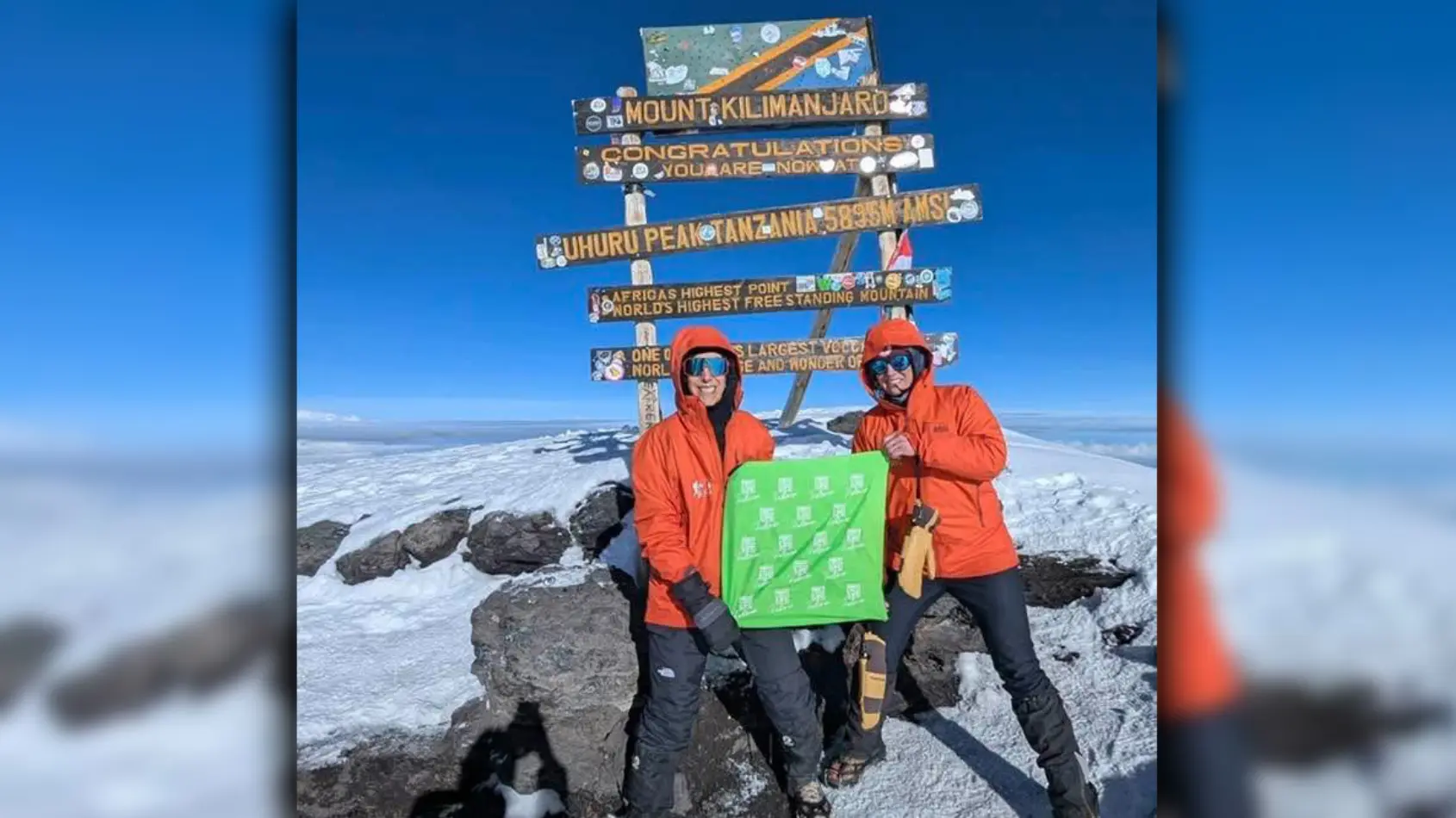
They donated the gift of life and then they took on another challenge.
By IU Health Senior Journalist TJ Banes, tfender1@iuhealth.org
They both have this in common: Abby Berg donated her kidney to a stranger. Cara Blair donated her kidney to a stranger. Berg is a nurse; Blair is the daughter of a kidney doctor.
Both women live in Indiana, and both were in the care of IU Health when they donated their kidneys. That Indiana connection is how they became acquainted when they joined more than a dozen hikers from around the country and outside the United States to trek to the summit of Mount Kilimanjaro in Tanzania, Africa. The climb was part of the Kidney Donor Athletes (KDA) adventures celebrating living donors.
March is “National Kidney Month” a time dedicated to raising awareness about kidney health and disease. Nearly 100,000 people are awaiting a life-saving kidney transplant at any given time. At IU Health, many kidney recipients receive their transplant from living donors. A living donor isn’t necessarily related to the recipient. Compatibility is based on blood type and tissue typing. Both the donor and recipient work closely with a team of healthcare providers.
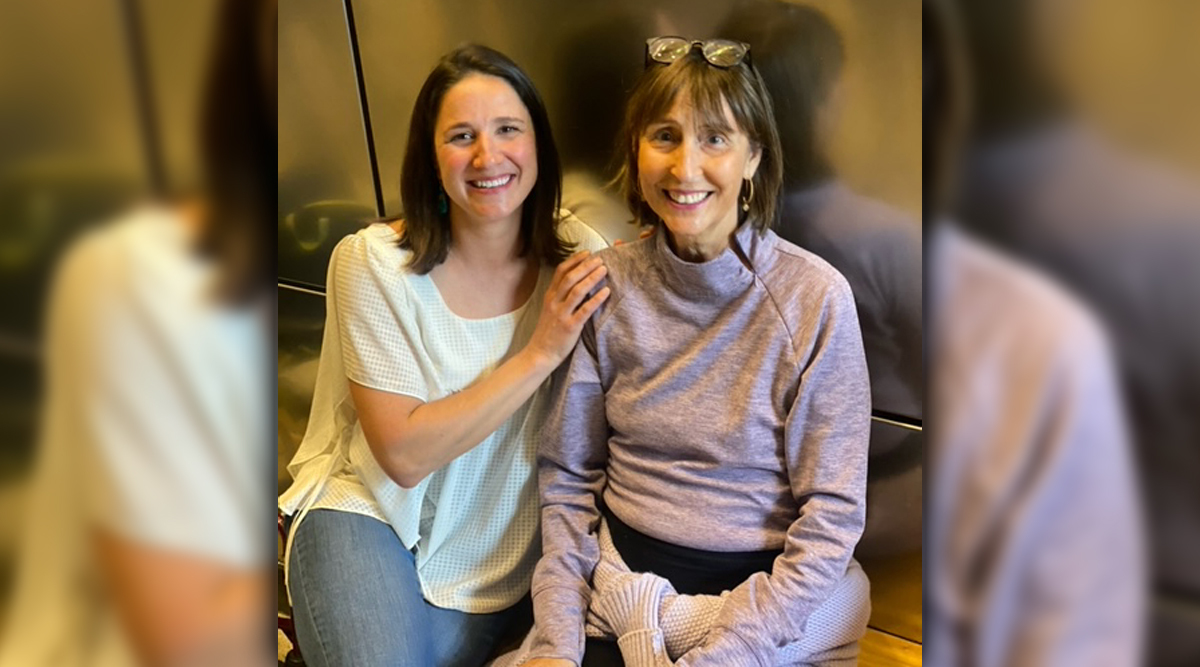
Berg donated her kidney on May 11, 2022. That single donation set off a chain reaction. Her kidney went to a woman who was once a stranger and they have since met, Anita Wojda of Plymouth, Ind. In turn, Wojda’s friend, Susan Nichter, donated a kidney to Ellen Huynh. Sophia Huynh Ong, the daughter of Ellen Huynh donated her kidney to Shirley Oommen.
Blair donated her kidney on May 7, 2024, in what is referred to as a “non-directed” or “anonymous” act. She didn’t know who would receive her kidney; she just knew that there was a wait list for those in need.
To help promote living kidney donation, the KDA organizes events demonstrating that living organ donors can accomplish any physical challenge that could be achieved by a person with two kidneys. As a group, they climb mountains and volcanoes, and hike through the Grand Canyon.
The Mount Kilimanjaro Climb started on March 4 with hikers reaching the summit on March 12. The eight-day climb took the hikers to nearly 20,000 feet of elevation.
“Climbing and summitting Mount Kilimanjaro with 15 other kidney donors was one of the most meaningful experiences of my life,” said Berg, a wife and mother. “This climb showed what’s possible when people come together for a cause bigger that themselves.” She spent a year training and when she connected with Blair they occasionally trained together.
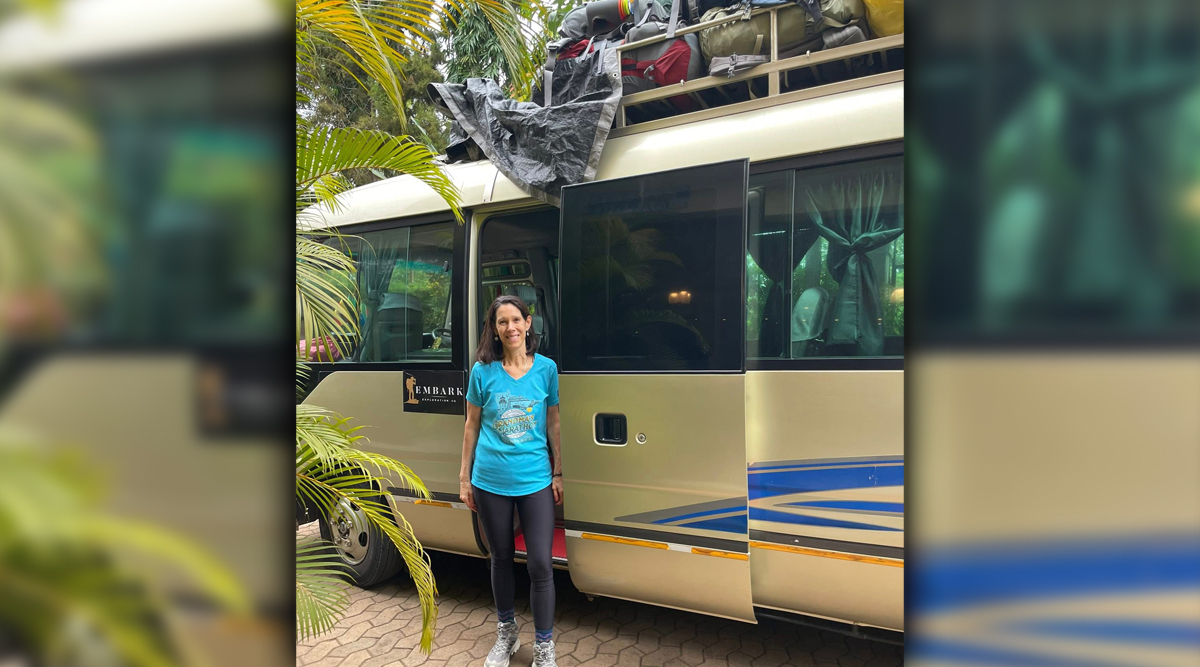
“Hiking Mount Kilimanjaro was challenging physically and mentally, but I knew after eight days my dream would come true,” said Blair, who was motivated to donate her kidney through childhood experiences witnessing a teenager in need of a transplant. “Those waiting for a kidney transplant, endure physical and mental pain for years so this was a way to create awareness for that need and help reduce their wait time.”
To learn more about becoming a living donor, click here.
