May 26, 2026
“Without them, I wouldn’t be alive”: Stroke survivor thanks his team at IU Health North
IU Health North Hospital
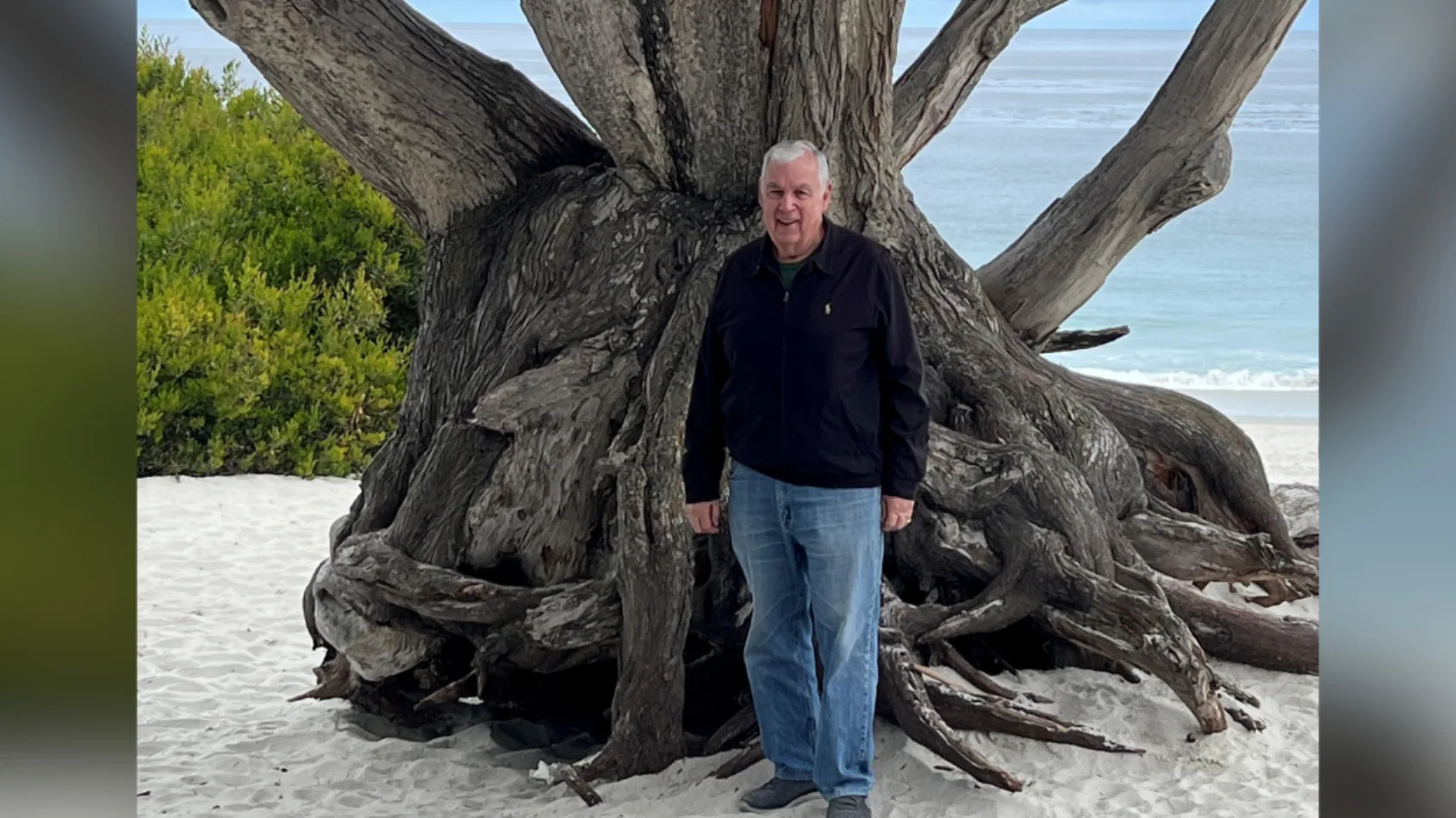
After lunch with friends, Joe Loukota found himself unable to speak. Upon arriving in the Emergency department at IU Health North Hospital, it was found he was having a stroke. Thanks to the team’s quick thinking, Loukota had a full recovery.
Thanks to TV infomercials, Joe Loukota knew the classic signs of stroke—loss of balance, blurred vision, face drooping, arm weakness and difficulty speaking.
In October 2025, the 84-year-old went out to lunch with two friends. As they left the restaurant, Loukota found himself unable to speak and could only mumble.
“I never considered a stroke. It never crossed my mind,” Loukota says. “I got in my car and drove home.”
Upon arriving home, Loukota’s wife could immediately tell something was wrong. She drove him to the Emergency department at IU Health North Hospital.
Loukota’s wife asked the receptionist if he might be having a stroke. A team member in a nearby room heard the discussion, called a doctor and Loukota was immediately evaluated.
Physicians determined Loukota was having other symptoms he had not initially noticed, including subtle right-hand weakness and balance problems. Dr. Jay Bhatt, MD, the neurologist on call that day, examined Loukota and determined that he indeed had a stroke.
“Dr. Bhatt was absolutely wonderful. He said, ‘I know you can’t talk, but just give me a thumbs up. You’ve had a stroke,’” Loukota recalls. “When I think about a stroke, I think of something that causes more problems, like you can't walk and you can't talk. But, I did have one.”
Receiving live-saving care
Loukota had an ischemic stroke, which Dr. Bhatt says is the most common type of stroke—about 85% of cases—caused by a blockage in one of the important blood vessels leading to the brain.
“The areas of the brain that receive oxygen and nutrients from this blocked blood vessel are not able to function appropriately, and as a result, Joe developed the sudden symptoms of difficulty with his speech production, right arm weakness and balance problems,” Dr. Bhatt explains.
Thanks to the quick thinking of Loukota and his wife, he arrived within the time window where the team at IU Health North was able to safely offer him Tenecteplase (TNK) injection, which is one of two "clot busting" drugs. If administered quickly enough, it can reverse the effects of a stroke.
Loukota was closely monitored in the hospital’s Intensive Care unit (ICU) for this first 24 hours of his visit and was able to leave after a few days.
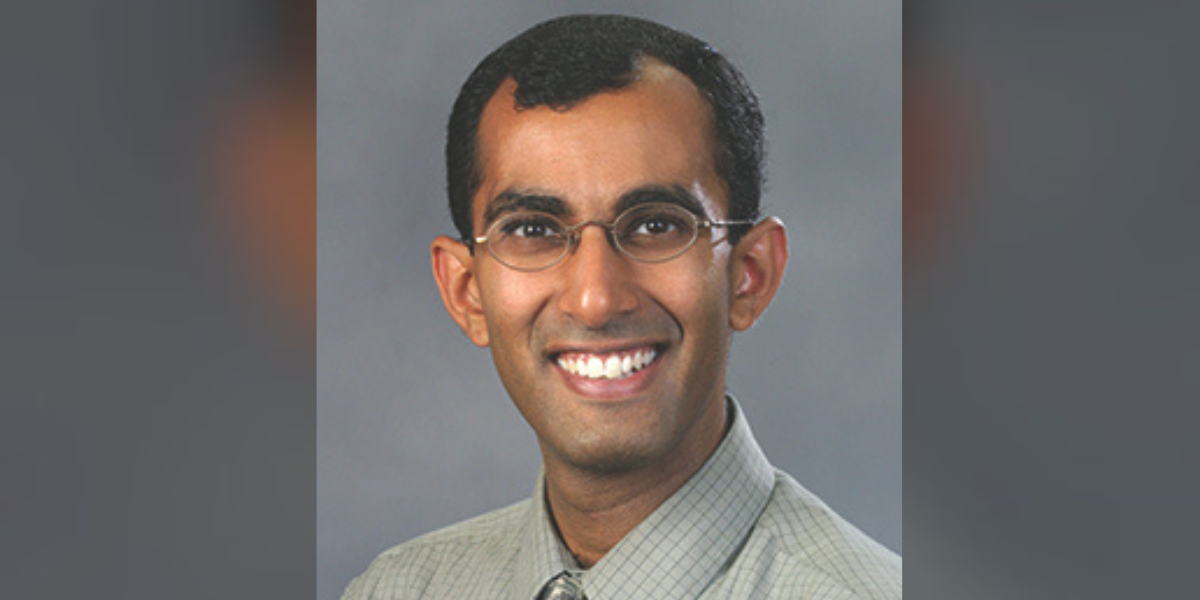
“We conducted additional tests to determine why he developed the blood clot, which caused his symptoms, and planned what we could do to keep this from happening ever again,” Dr. Bhatt says.
The treatment was successful, and now almost eight months later, Loukota has no issues with the right side of his body. He still stutters sometimes or occasionally forgets a word.
While having a stroke can be a terrifying experience, he encourages other stroke survivors to keep a positive and hopeful attitude.
“I have seen stroke patients that have permanent damage, and I know I'm in the upper realm of being fortunate. But I would say to go about—as much as you can—on your daily life,” Loukota says. “The more active you stay and if you have that positive attitude, that will help you a great deal.”
Know the signs of stroke
May is National Stroke Awareness Month, and when it comes to identifying the signs and symptoms of a stroke, Susanne Crotty, Stroke Program and Quality coordinator at IU Health North, says remember B.E.F.A.S.T.:
Balance: Dizziness or sudden loss of balance.
Eyes: Double vision or sudden loss of vision in one or both eyes.
Face drooping: Does one side of the face droop or is it numb? Ask the person to smile.
Arm weakness: Is one arm weak or numb? Ask the person to raise both arms. Does one arm drift downward?
Speech difficulty: Is their speech slurred, are they unable to speak or are they hard to understand?
Time to call 911/Thunderclap headache: If the person shows any of these symptoms, even if the symptoms go away, call 911 to get them to the hospital immediately. Time is of the essence in stroke treatment.
“If people experience any acute stroke symptoms—even just one of these symptoms—or observe them in someone else, they should seek immediate medical assistance by calling 911,” Crotty advises. “Treatment can begin in the ambulance, and the EMS team can promptly notify the hospital. It’s advised against having family or friends drive the person to the hospital, as this may delay critical stroke treatment. Additionally, it’s essential to know which hospitals in the area are certified stroke centers, as these facilities have the right teams and resources to provide the best care for strokes.”

IU Health North recently earned The Joint Commission’s Gold Seal of Approval® and the American Heart/Stroke Association’s Heart-Check mark for Advanced Primary Stroke Certification. This means IU Health North is qualified to provide rapid evaluation and treatment for stroke patients, with 24/7 access to stroke-trained providers, access to rapid brain imaging, possess the ability to provide clot-busting medication and, when necessary, stabilize and transfer patients to higher-level care.
Crotty adds that the common risk factors for stroke are high blood pressure, diabetes and smoking. Those that are over age 65, are female, African American, have a sedentary lifestyle, have sleep apnea or carotid artery stenosis are also at a higher risk.
“Eighty percent of strokes are preventable. By managing controllable risk factors, such as high blood pressure, maintaining a healthy weight and managing blood sugar levels or diabetes, you can significantly reduce the risk of having a stroke,” Crotty says.
As Loukota turns 85 next month, he thanks his care team at IU Health North.
“I can't speak enough for the nurses and the doctors at IU Health North. They were outstanding,” Loukota says. “Without them, I wouldn't be alive. It’s as simple as that.”
IU Health offers a variety of stroke treatment options, depending on the type of stroke and individual needs of patients. To learn more about these options and stroke symptoms, visit iuhealth.org/find-medical-services/stroke.