September 08, 2026
Years-long jaw pain relieved after cutting-edge surgery in Bloomington
IU Health Bloomington Hospital
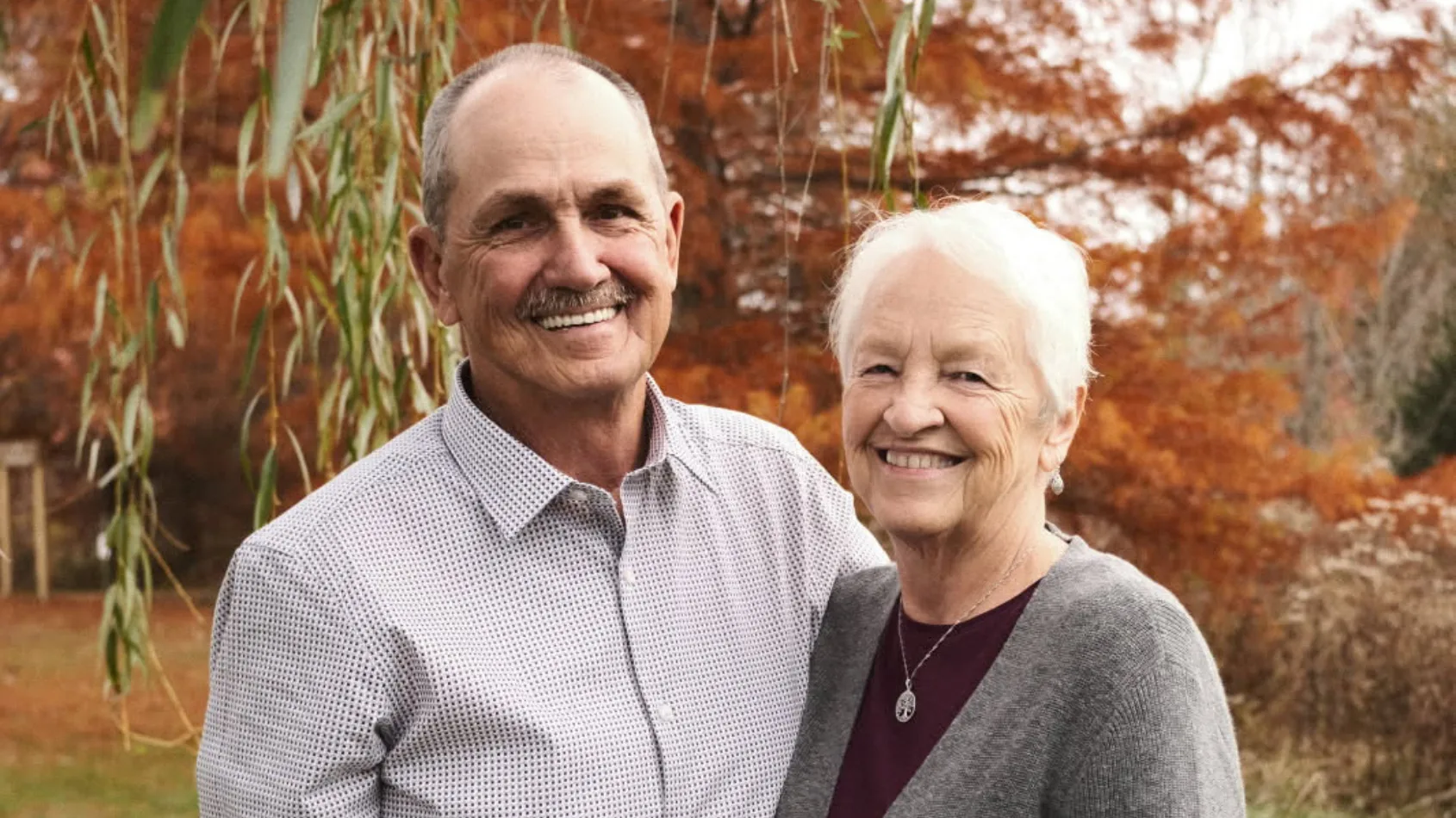
For years, Bennie Scere lived with worsening pain in his jaw and a wound that would not heal. Today, he's pain-free after undergoing a surgical procedure that’s making history in Indiana.
Scere was first diagnosed with cancer in 2010 after a sore under his dentures led to surgery and radiation treatment.
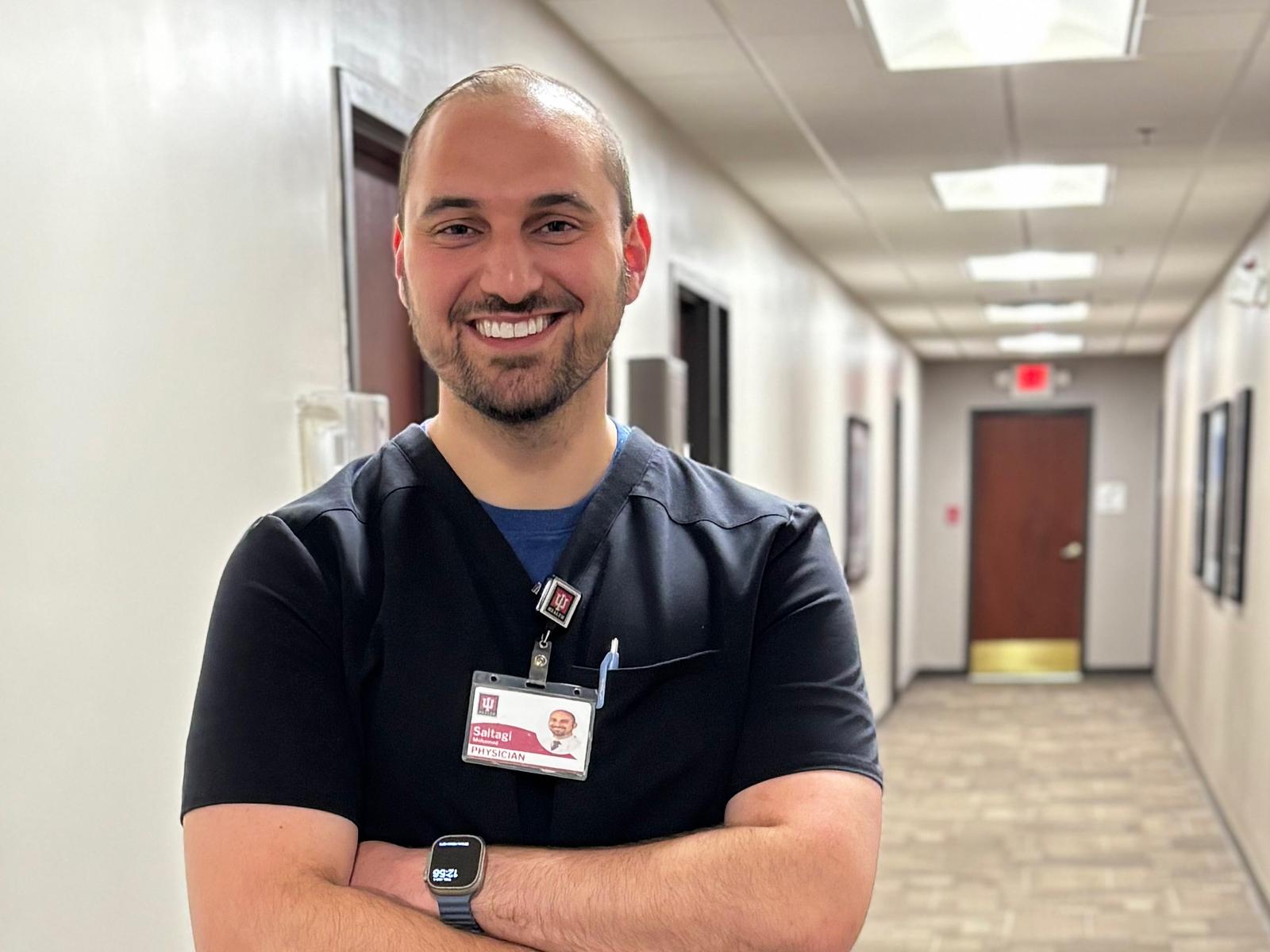
Over time, the pain in his jaw worsened and the sore eventually exposed his jawbone. After struggling to heal the wound, Scere turned to otolaryngologist Mohamad Saltagi, MD, at Bloomington Ear, Nose, and Throat (ENT), where he learned a portion of his jawbone had died.
Dr. Saltagi discussed two surgical options. The traditional, and most commonly used, approach involves removing part of the jaw and replacing it with bone taken from the leg, arm or back.
The second option, known as an anterolateral thigh rescue flap (ALTFL rescue flap) removes only a portion of the affected bone and covers the remaining healthy bone with fascia from the thigh. Fascia is a thin band of tissue that wraps around muscles, bones, organs and nerves in the body.
"It's a much quicker recovery for the patient," Dr. Saltagi said of the ALTFL rescue flap. "Patients are eating and drinking by mouth immediately after surgery, and the average hospital stay is two to three days, compared to about a week for the traditional approach."
Dr. Saltagi and the team of head and neck surgeons in Bloomington were among the first in southern Indiana to perform free flap procedures. Scere’s surgery in February made them the first in Indiana to perform an ALTFL rescue flap.
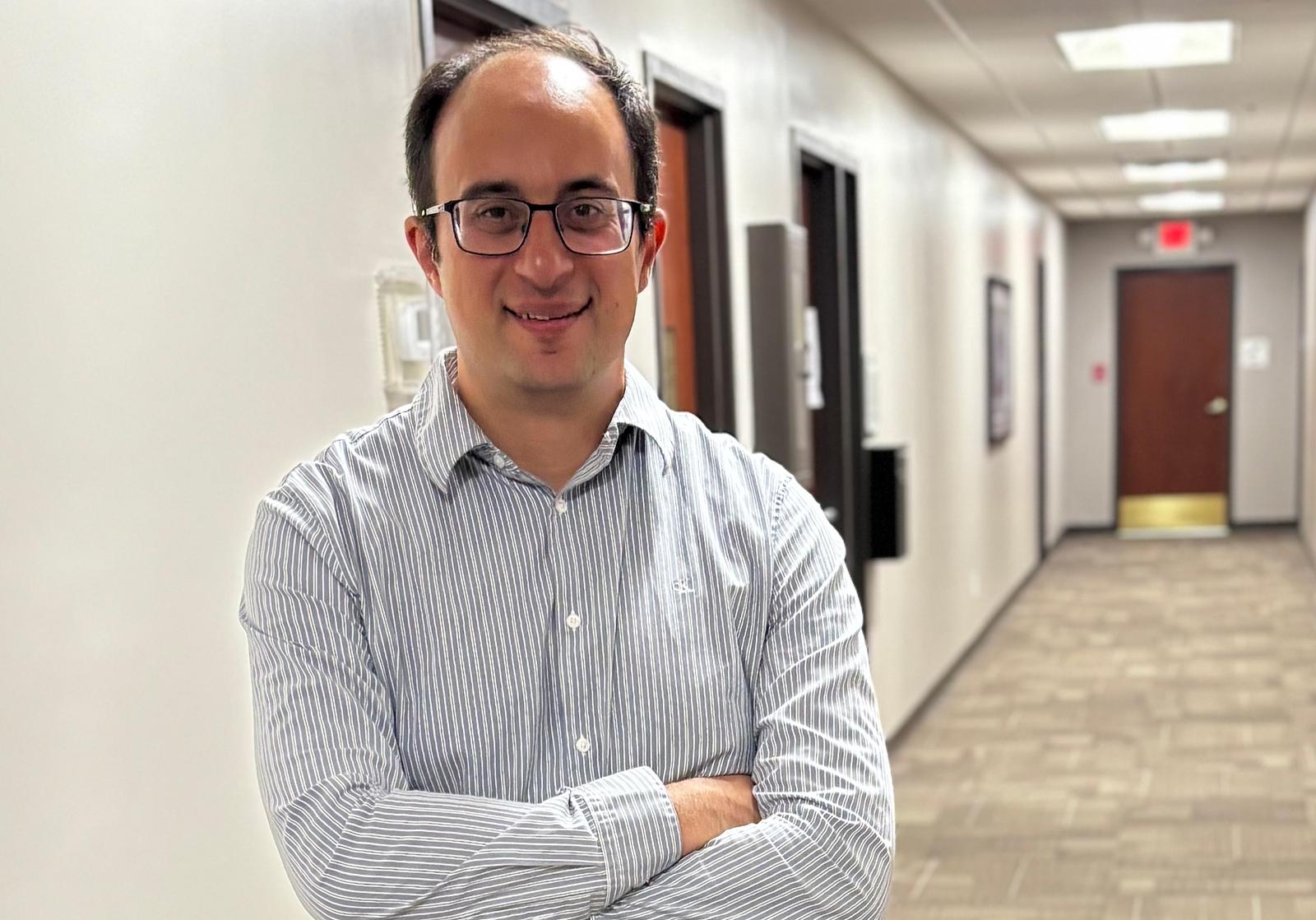
During the procedure, Dr. Saltagi and his partner, Ahmed Ibrahim, MD, were able to preserve healthy jawbone and restore blood flow to an area of the jaw that had previously lacked it.
"They didn't have to remove much bone from my jaw, and so far, everything has worked great," said Scere. "I haven't had any pain in my jaw or my leg since day one. It's amazing what they can do now."
Osteonecrosis of the jaw can happen after radiation, or after taking certain medications for osteoporosis. Treatment can sometimes be as simple as medication management, but when it requires surgery, it is helpful that more conservative options are available nowadays. Dr. Saltagi and Dr. Ibrahim are happy to see patients with jaw osteonecrosis.