


February 04, 2026
Expert care at IU Health North saves young woman after cardiac arrest
IU Health North Hospital
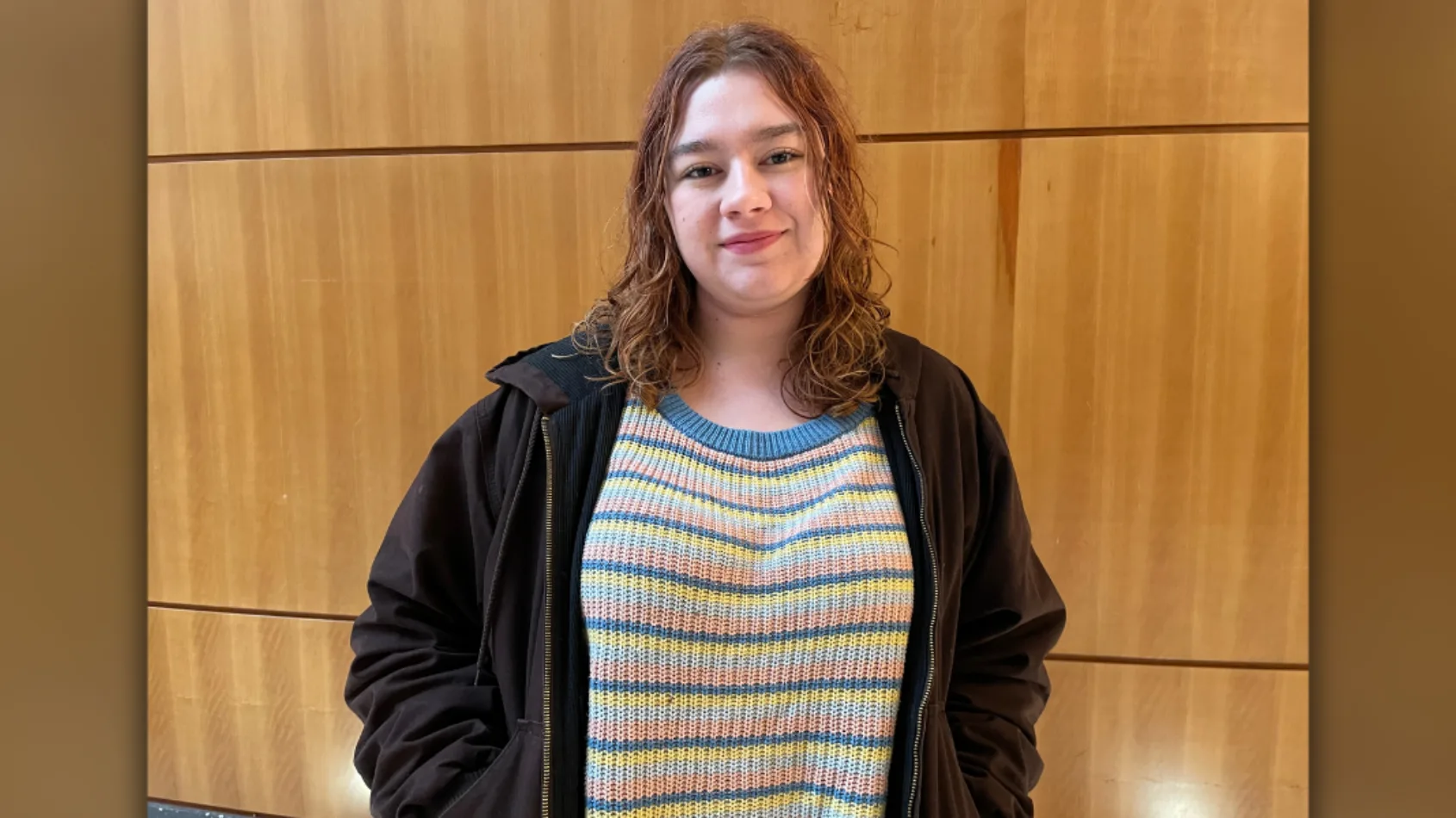
In February 2023, 19-year-old Lily Thomas unexpectedly went into cardiac arrest while vacationing in Wisconsin. After being airlifted back home to IU Health North Hospital, she received advanced cardiac and critical care.
Written by Charlotte Stefanski, cstefanski@iuhealth.org, writer for IU Health's Metro Region
In February 2023, the Fishers-native was on a Valentine’s Day trip in Wisconsin with her then-boyfriend. The two were in the pool when he noticed an unusual change.
“According to him, my leg did like a little jerk, and I went underwater briefly,” Thomas recalls.
He pulled Thomas out of the water, but she wasn’t breathing. He began CPR and paramedics soon arrived. The team delivered five defibrillation shocks before her heart rate stabilized, and she was transported to a local hospital.
In the Wisconsin hospital, Thomas remained unconscious and was placed on a ventilator.
Due to the severity of her condition, she was airlifted back home and taken to IU Health North Hospital for advanced cardiac and critical care.
Compassionate critical care
Thomas remained critical as she arrived at the Intensive Care unit (ICU) at IU Health North. She was initially cared for by an experienced ICU team, including Dr. William Harvey, MD, and Dr. David Roe, MD.
Thomas’ body had been through an enormous amount of stress. Due to the lack of oxygen to the brain, she suffered a hypoxic brain injury. Her heart was also weak, and she needed medications to help it pump enough blood and keep her heart rhythm under control.
Thomas’ mother, Jackie, recalls the team of specialists, nurses and respiratory therapists attempting to take her daughter off the ventilator two times.
“On the second attempt, I ended up crawling in bed with her. I looked at the doctor and said, ‘I'm really sorry,’” Jackie says. “He said, ‘No, no, you know your kid. You do what you need to do, if you think it will help.’ Everyone was just really great.”
After about a week on the ventilator at IU Health North, Thomas’ heart function began to improve, her medications were reduced and she was finally able to breathe on her own.
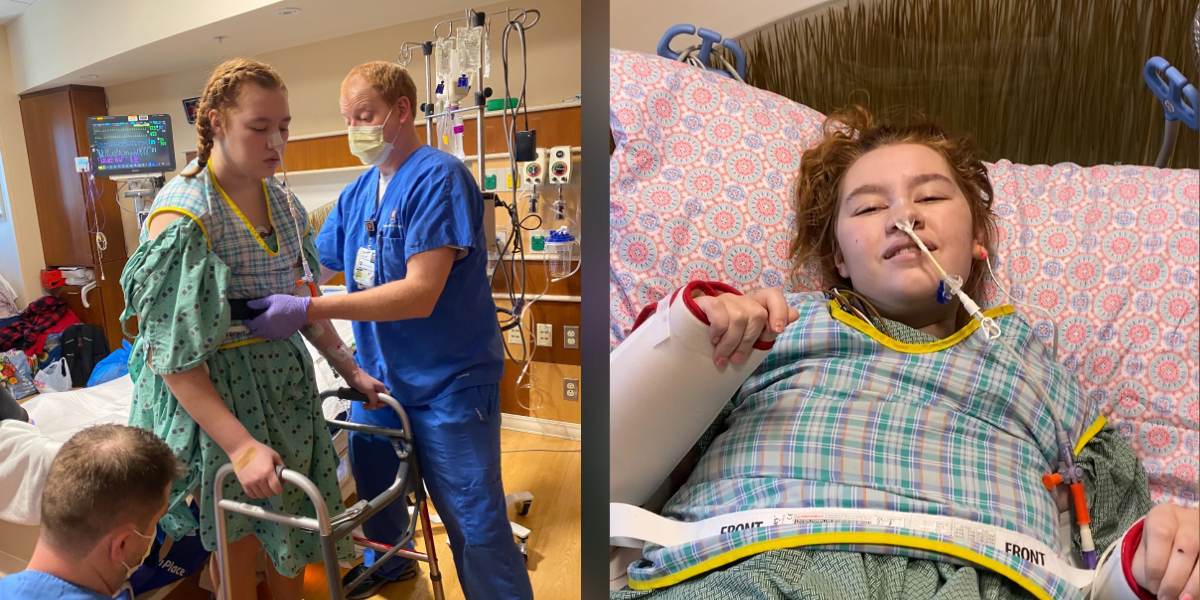
While at the hospital, she had a defibrillator implanted, which monitors and corrects dangerous heart rhythms. She completed inpatient rehabilitation within a few weeks, and after leaving the hospital, continued with occupational and physical therapies at another facility.
“Luckily, because of my age, I was able to recover most of my physical abilities fairly quickly,” Thomas says. “But with my brain injury, I was recovering my memory and working on speech therapy for that whole summer.”
“This kind of recovery reflects not only the resilience of the patient, but also the level of coordinated, advanced critical care we are able to provide here at IU Health North,” says Thomas’ current cardiologist, Antonio Navarrete, MD.
Putting the puzzle pieces together
Now three years later, Thomas is 22 and will soon graduate from journalism school in Chicago. She says life is pretty much back to normal, but she still has difficulty with her memory and continues to see a neurologist.
Navarrete explains what Thomas experienced that day was a classic example of cardiac arrest, when the heart suddenly and unexpectedly stops pumping blood.
Through testing, Navarrete has been able to piece together why the 19-year-old went into cardiac arrest.
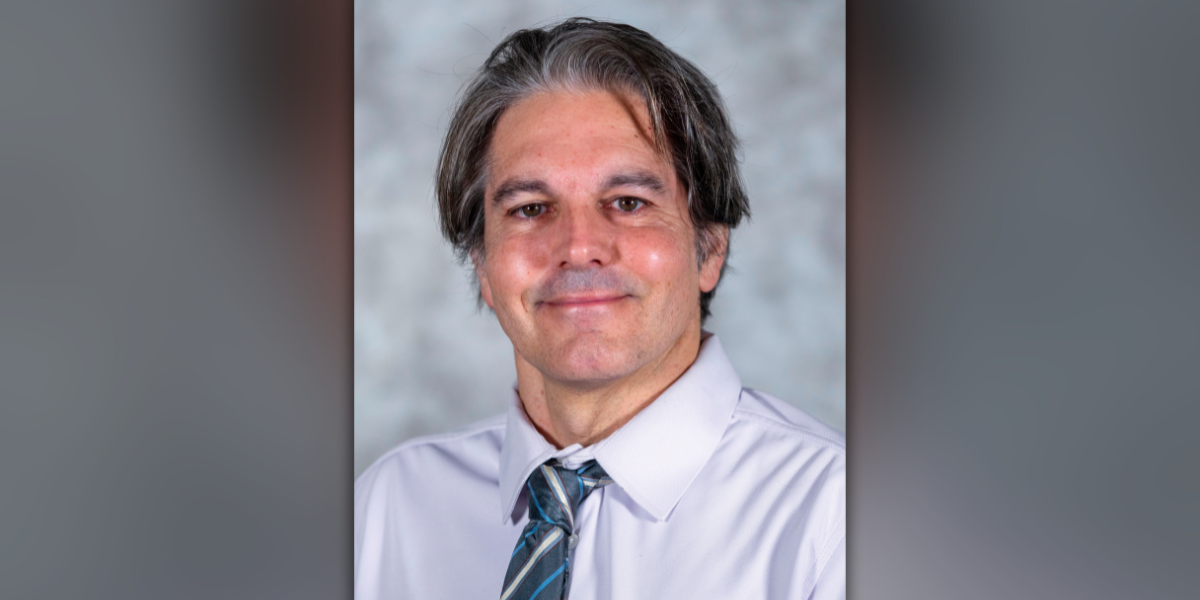
“Based on our evaluation, we suspect she has a primary electrical problem of the heart. The heart works not only as a pump, but also as an electrical organ. In her case, the proteins that control the movement of charged particles—called ions—across heart cell membranes may not function properly,” Navarrete explains. “These tiny ion movements are what allow the heart to beat in a coordinated rhythm with effective pumping. When that system malfunctions, the heart’s electrical rhythm can become chaotic. In severe cases, the rhythm is no longer capable of producing an effective heartbeat, which can lead to sudden cardiac arrest.”
At each appointment, Navarrete checks her defibrillator to see if it is functioning properly and if it has detected any abnormal rhythms. He also checks the incision site to ensure its healing properly.
An electrocardiogram, or EKG, is performed to look at her heart’s electrical activity, and an echocardiogram, which is an ultrasound of the heart.
“These tests allow us to monitor both the heart’s rhythm, overall structure and pumping strength over time,” Navarrete says.
“Dr. Navarrete has been very helpful with everything. He’s made sure I could get some testing done to try and figure out if it's genetic,” Thomas adds. “This is important for later on, especially if I have kids. It's good to know if I carry something genetically.”
February is National Heart Month
February is American Heart Month, a time dedicated to raising awareness about heart disease.
“Sudden cardiac arrest doesn’t only affect older adults or people with known heart disease,” Navarrete says. “It can happen without warning, even in young, athletic individuals. That’s why CPR training and rapid response are so essential.”
Navarrete notes it’s crucial to listen to our bodies. If you experience symptoms, including sudden loss of consciousness, unexplained fainting or episodes of rapid or irregular heartbeats, consult your primary care provider promptly. Early evaluation can identify potential heart problems and, in some cases, prevent life-threatening events.
“The goal is prevention and reassurance. With regular monitoring and advanced technology, we can detect problems early, adjust treatments and help patients live full, active lives with confidence,” he says. “Know that hospitals like IU Health North are equipped with specialized teams ready to care for the most complex emergencies. This young woman is alive today because people acted quickly and because advanced care was available when she needed it most.”
Keeping hope alive
After such a traumatic event, Thomas found comfort in speaking with her family and care team about what happened. She couldn’t remember most of it, but piecing the details together helped.
For survivors of cardiac events, Thomas encourages celebrating victories in recovery, no matter how small they are.
Each February, she celebrates the anniversary of her cardiac arrest.
“I think it's better to celebrate that you're still here. Even if life is still hard now, you're still alive, and that's something I like to remember,” she says.
Thomas thanks her teams at IU Health North for their continued care and support.
“A 19-year-old that's gone into cardiac arrest pretty unheard of,” she says. “Despite of an unheard-of situation, they’ve worked really hard to make sure that I have the support that I need.”
“Her recovery represents hope,” Navarrete adds. “It shows that even in the most critical moments, preparation, teamwork and modern cardiac care can give patients not just survival—but the chance to return to the lives they love.”
To learn more about IU Health’s cardiovascular care, visit iuhealth.org/heart.

